Prevention is always better than cure, and health checkups play an important role in keeping Singaporeans in good health through early detection and diagnosis of health conditions. Learn more about our health screening packages at David Loh Surgery and choose the one most suited to your needs.
About Dr. Derek Koh
MBBS (Singapore), GDFM (Singapore)
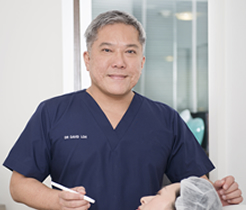
Dr. Derek Koh is an experienced physician with over 20 years of clinical practice in health screening and preventive medicine. His clinical interests include the management of andropause, erectile dysfunction, obesity, and healthy ageing. He is board-certified in anti-ageing medicine and holds a Fellowship with the American Academy of Anti-Ageing Medicine.
Dr. Koh graduated from the National University of Singapore (NUS) in 1992 with a Bachelor of Medicine and Bachelor of Surgery (MBBS), and subsequently obtained his Graduate Diploma in Family Medicine.
He has completed local certification in Healthy Longevity conducted by the Academy for Healthy Longevity, Yong Loo Lin School of Medicine (NUS), as well as certification in Practical Andrology conducted by the Academy of Men’s Health (Singapore). In addition, he has undergone postgraduate training in Nutritional Protocols accredited by the Australasian College of Nutritional and Environmental Medicine. Dr. Koh is also an EIMS-certified physician in Exercise Prescription, an initiative launched by the American College of Sports Medicine.
Prior to his current appointment, Dr. Koh headed a health screening and wellness centre within a major private hospital from 2008 to 2023. His key professional interest lies in healthy ageing through early detection, preventive care, and sustainable lifestyle optimisation.
Dr. Koh believes that individuals can add quality years to their lives while maintaining an active and fulfilling lifestyle. Outside of work, he enjoys a variety of sports and recreational activities, including tennis and swimming.
Essential Checkup
Package 1
$280 (before GST)
Recommended for healthy adults below 30 years of age who wish to establish a baseline assessment of cardiovascular risk factors, metabolic health, and essential organ function.
Core Component
Medical Consultation/Examination and Review
Visual Acuity Test
Urine Analysis
Stool Occult Blood Test
ECG
Laboratory Analysis
Haematology
Peripheral Blood Film
Fasting Glucose
Lipid Profile
Renal panel
Liver panel
Thyroid hormone panel (Free T4)
Uric acid level
Package 2
$430 (before GST)
Recommended for adults above 40 years of age with minimal personal or family risk factors who wish to undergo baseline health screening, including selected cancer markers.
Recommended for adults seeking a broader and more comprehensive baseline health screening.
Core Component
Medical Consultation/Examination and Review
Visual Acuity Test
Urine Analysis
Stool Occult Blood (Immunological) Test
ECG
Laboratory Analysis
Haematology
Peripheral Blood Film
ABO Blood Group
Inflammatory marker (ESR level)
Lipid Profile
Diabetic Panel (Fasting Glucose and HbA1C)
Extended Renal panel
Full Liver panel
Thyroid panel (Free T4 and TSH)
Uric acid level
Bone mineral panel (Calcium, Phosphate)
STD (VDRL)
Tumour Markers: AFP, CEA, CA 19.9, EBV EA, CA125 (Female only), Total PSA (Male only), H Pylori
Hep A, B and C screening
Essential Screening (& Executive Screening)
Recommended for individuals seeking a more comprehensive preventive health assessment beyond baseline screening, with additional evaluation of cardiovascular risk, metabolic health, nutritional status, and hormonal profile.
Package 4
$650 (before GST)
Core Component
Medical Consultation/Examination and Review
Visual Acuity Test
Urine Analysis
Stool Occult Blood (Immunological) Test
ECG
Laboratory Analysis
Haematology
Peripheral Blood Film
ABO Blood Group
Inflammatory marker (ESR)
Lipid Profile
Diabetic Panel (Fasting Glucose and HbA1C)
Extended Renal panel
Full Liver panel
Thyroid panel (Free T4 and TSH)
Uric acid level
Bone mineral panel (Calcium, Phosphate)
STD (VDRL)
Tumour Markers: AFP, CEA, CA 19.9, EBV EA, CA125 (Female only), Total PSA (Male only), H Pylori
Hep A, B and C screening
Choice of Apolipoprotein panel or Vitamin D or Anemia panel.
Package 5
$720 (before GST)
Core Component
Medical Consultation/Examination and Review
Visual Acuity Test
Urine Analysis
Stool Occult Blood (Immunological) Test
ECG
Laboratory Analysis
Haematology
Peripheral Blood Film
ABO Blood Group
Inflammatory marker (ESR)
Lipid Profile
Diabetic Panel (Fasting Glucose and HbA1C)
Extended Renal panel
Full Liver panel
Thyroid panel (Free T4 and TSH)
Uric acid level
Bone mineral panel (Calcium, Phosphate)
STD (VDRL)
Tumour Markers: AFP, CEA, CA 19.9, EBV EA, CA125 (Female only), Total PSA (Male only), H Pylori
Hep A, B and C screening
Apolipoprotein panel
Choice of Vit D or Anemia panel.
Package 6
$780 (before GST)
Core Component
Medical Consultation/Examination and Review
Visual Acuity Test
Urine Analysis
Stool Occult Blood (Immunological) Test
ECG
Laboratory Analysis
Haematology
Peripheral Blood Film
ABO Blood Group
Inflammatory marker (ESR)
Lipid Profile
Diabetic Panel (Fasting Glucose and HbA1C)
Extended Renal panel
Full Liver panel
Thyroid panel (Free T4 and TSH)
Uric acid level
Bone mineral panel (Calcium, Phosphate)
STD (VDRL)
Tumour Markers: AFP, CEA, CA 19.9, EBV EA, CA125 (Female only), Total PSA (Male only), H Pylori
Hep A, B and C screening
Apolipoprotein panel
Vit D
Anemia panel.
Package 7
$880 (before GST)
Core Component
Medical Consultation/Examination and Review
Visual Acuity Test
Urine Analysis
Stool Occult Blood (Immunological) Test
ECG
Laboratory Analysis
Haematology
Peripheral Blood Film
ABO Blood Group
Inflammatory marker (ESR)
Lipid Profile
Diabetic Panel (Fasting Glucose and HbA1C)
Extended Renal panel
Full Liver panel
Thyroid panel (Free T4 and TSH)
Uric acid level
Bone mineral panel (Calcium, Phosphate)
STD (VDRL)
Tumour Markers: AFP, CEA, CA 19.9, EBV EA, CA125 (Female only), Total PSA (Male only), H Pylori
Health Screening, Healthy Aging, Sports Advice and Andrology at David Loh Surgery
We welcome the latest addition to our David Loh Surgery family, with a lifestyle advisor and established health screening doctor, Dr Derek Koh.
Dr Derek Koh graduated in 1992 with a basic medical degree & subsequently received his post-graduate diploma in Family Medicine, both from the National University of Singapore. He is also Board Certified in Anti Aging Medicine & has attained his Fellowship with the American Board of Anti-Aging and Rejuvenation Medicine.
Dr Koh has completed local certifications in Practical Andrology conducted by the Academy of Men’s Health (Singapore) as well as post graduate training in Nutritional Protocols accredited by the Australasian College of Nutritional & Environmental Medicine. He is an EIMS certified physician in Exercise Prescription, an initiative launched by the American College of Sports Medicine.
Prior to this, Dr Koh was heading a health screening & wellness center in a major private hospital since 2008. His key interest is in Healthy Aging thru early detection and subsequent prevention thru lifestyle choices.
Dr Koh is a strong believer that everyone can add quality years to their lives while embracing an active lifestyle. He enjoys a variety of sports at leisure, including tennis & swimming.
Liposuction is a surgical procedure in which excess fat is removed from the body using a suction technique.
If a patient is not properly assessed by an experienced aesthetic surgeon prior to the procedure, the removal of fat can lead to a deflation of area that is not in proportion with the rest of the body, causing a significant reduction in skin elasticity. This results in poor liposuction outcomes due to the post-operation skin not draping properly, which presents as loose skin and stretch marks.
This can occur in individuals who are poor candidates for liposuction, for instance, those who have poor skin firmness and elasticity in the first place. Their skin usually appears thin and paper-like, often accompanied by the presence of stretch marks (striae). Some examples include elderly patients, women who have a few (sometimes just one) pregnancies, and individuals who have undergone significant weight loss. For these patients, liposuction may worsen the loose skin problem, resulting in an aesthetic outcome that is less desirable than its original state.
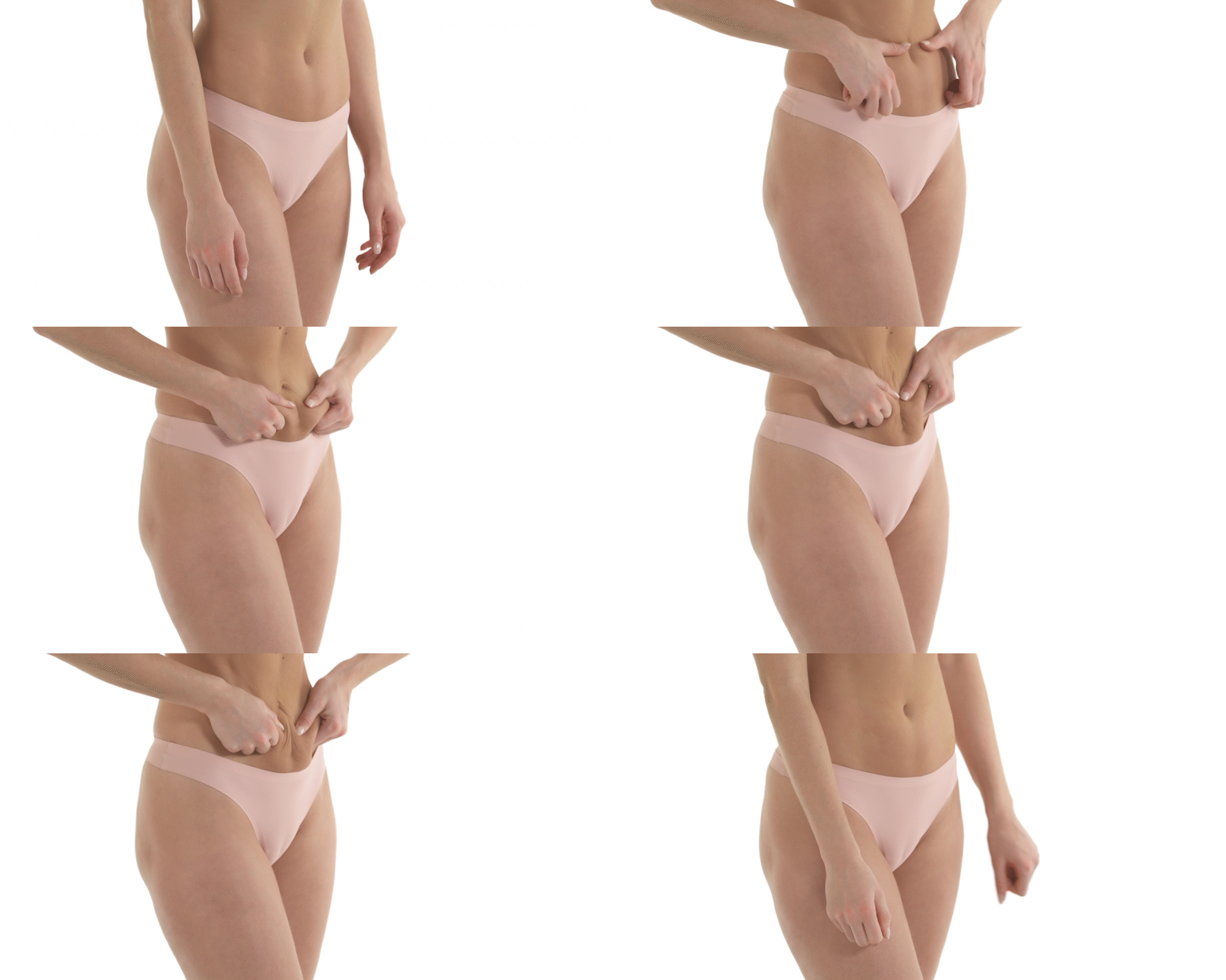
Loose skin can take on different forms – it could appear as reams of excess overhanging skin, or it could appear as crepe-like folds on the surface of the skin. It can even be a combination of both
A proper assessment by an experienced liposuction practitioner is often useful in determining whether loose skin will pose a problem after the procedure.
Treatments to Reduce Loose Skin After Liposuction
Here are some effective treatments to minimize or improve the appearance of loose skin and stretch marks post-liposuction:
Tummy tuck (abdominoplasty):
A particularly useful method to treat an abdomen where reams of excess skin might be expected after liposuction. A similar treatment is available for other areas like the thighs and the arms.
We do not perform this surgery at our clinic, but we would be happy to refer you to someone competent if needed.
Minimally Invasive Skin-tightening Treatments:
in milder cases where loose skin is not in reams but presents more like crepey skin and stretch marks after liposuction, then treatments that are less invasive than a tummy tuck will suffice.
Examples of these minimally invasive treatments that are designed to reduce loose skin after liposuction include Bodytite and Renuvion.
Skin Tightening Treatments During Liposuction
Instead of of weeks or months after the procedure, some skin tightening treatments are conducted within the same surgery as the liposuction when the patient is sedated or under general anaesthesia.
These are additional treatments during the liposuction where the surgeon will insert probes through the incisions to deliver energy to contract the skin.
Here are three different kinds of effective skin-tightening treatments during liposuction:
Vaser Liposuction
Power-assisted vaser liposuction uses ultrasound to break down fat deposits and make them easier to remove during liposuction. It also has the added benefit of skin tightening due to the ultrasound’s ability to contract loose skin. But the skin contraction is generally mild. Vaser’s main purpose is to assist in fat deposit removal.
BodyTite
BodyTite device uses heat and radiofrequency energy generated from a cannula that is inserted through the incisions to tighten and smooth out the saggy skin tissues. The device comes in different sized probe that allow for treatment from very delicate areas like the eye bags down to large areas like the thighs.
Renuvion
Renuvion uses helium plasma and Radio Frequency (RF), known as J plasma, to tighten skin during liposuction. J plasma is generated by the device, which activates helium to target the fibrous bands that exist beneath the skin (fibrous septae) and contract them in the process. This is carried out by moving a probe under the skin after liposuction.
Disclaimer: the above-mentioned treatments are all FDA and HSA-approved devices for skin tightening that Dr David Loh uses. There may be other devices available on the market that we are not aware of, and hence not mentioned in this editorial piece. And they could prove to be better than what you’re currently reading. Do take note that this is not the final authority on skin tightening following liposuction.
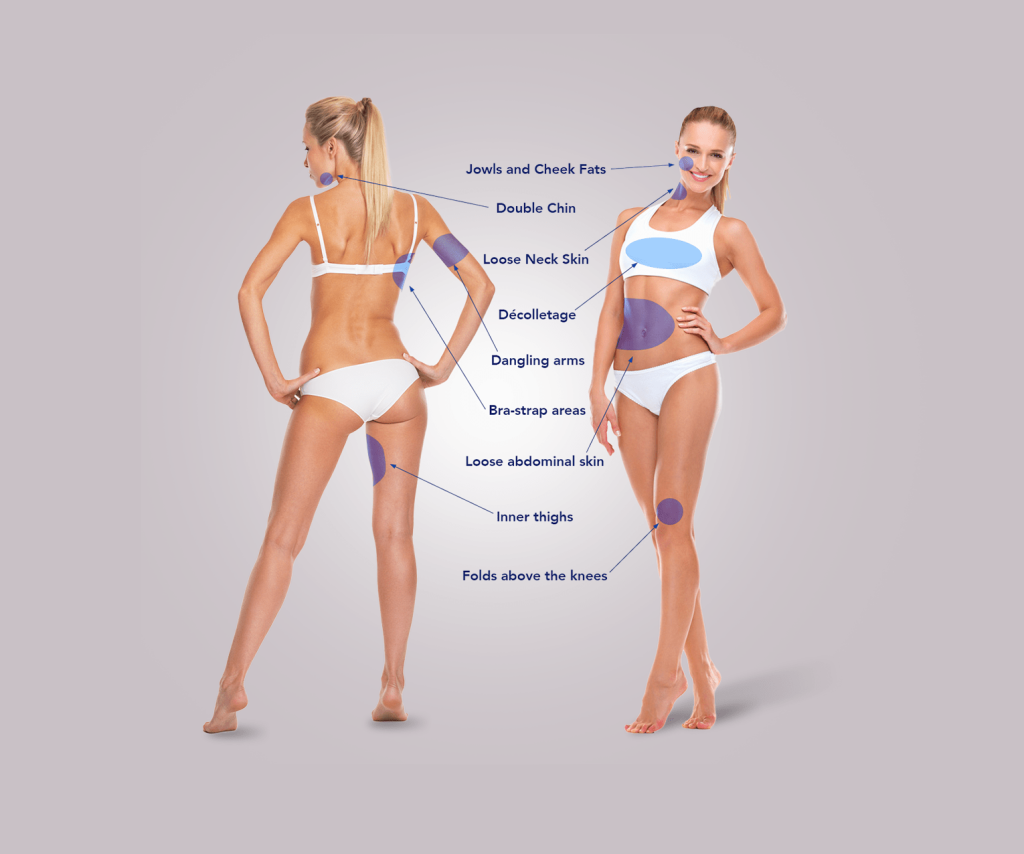
Ultrasonic Liposuction, Radiofrequency Assisted Lipolysis, and Plasma Skin Tightening are forms of minimally invasive skin tightening procedures offered by Dr. David Loh in Singapore. The common names are Vaser, Bodytite, and Renuvion, respectively. They target and reduce loose skin and stretch marks on the face, neck and large body areas such as underarms, stomach or thighs.
Skin Tightening Add-on Procedures During Liposuction
Before the actual liposuction procedure, the BodyTite device can be used to improve the appearance of loose skin.
The device works by delivering radiofrequency (RF) energy to the skin through a probe that is inserted under the skin after injecting it with a solution containing anaesthesia (tumescent solution filtration). The RF energy targets the fibrous band (fibrous septae) beneath the skin and causes them to contract and smoothen, improving the appearance of loose skin. BodyTite is good for treating mild to moderate degrees of loose skin and stretch marks.
Plasma Skin Tightening, administered through a medical device called Renuvion, is a form of minimally invasive skin tightening procedure offered by Dr. David Loh in Singapore. This innovative technology selectively contracts the fibrous band (fibrous septae) under your skin, resulting in a noticeable improvement in the appearance of your skin.
Both BodyTite and Renuvion can be used as a complementary treatment coupled with liposuction or as a standalone treatment without liposuction to tighten loose skin.
These treatments contract collagen tissues using either helium plasma and radio-frequency (RF). These are tried and tested technologies that have been used for many years. The skin tightening effects continue for weeks and months after a single treatment.
How BodyTite and Renuvion Tightens Loose Skin During Liposuction
Here’s what to expect during the a Renuvion or BodyTite procedure:
Benefits of BodyTite and Renuvion Tightening After Liposuction
In contrast to a tummy tuck, which requires a longer recovery time, both treatments are minimally invasive with less downtime and patients can quickly return to their daily activities after the procedure.
Loose, saggy and wrinkled skin can appear on the face, neck and body due to collagen or muscle loss due to aging, weight loss, UV damage or smoking.
As we age, the body produces less collagen and elastin in the skin. The skin loses its elasticity over time, becoming less able to bounce back after stretching. It loses the support structure that keeps the skin firm.
When a large amount of weight is lost quickly, such as through a clash diet, post-pregnancy, or liposuction, the fatty layer beneath the skin might not have enough time to recover before the new shape becomes set, resulting in stretch marks.
Smoking and excessive exposure to the sun can cause premature ageing. The skin’s structure is damaged, causing cells to die, which affects collagen and elastin production. Skin problems such as deep wrinkles, creases, hyperpigmentation and sagging will then occur.
Radiofrequency (BodyTite) or Plasma (Renuvion) Skin Tightening helps the skin generate and rebuild its own collagen, effectively treating skin issues caused by the factors above.
Ultrasonic (Vaser) Liposuction, Radiofrequency Assisted Lipolysis (BodyTite), and Plasma Skin Tightening (Renuvions) are forms of minimally invasive skin tightening procedures offered by Dr. David Loh in Singapore. They target and reduce loose skin and stretch marks on the face, neck and body.
Frequently Asked Question on BodyTite and Renuvion
How many treatment sessions are needed?
Visible results to tighten loose skin and stretch marks can be seen after a single treatment of either BodyTite or Renuvion. Your skin will continue to regenerate collagen and improve in the next few weeks up to 6 months.
Patients with significant skin sagging, volume loss, or poor skin quality might need to repeat the treatment after six months to achieve desired effects.
How long is the procedure?
Depending on the size of the treatment area, the duration of treatment can range from 20 minutes for the neck to 1 hour for larger body areas such as underarms.
Who can perform Radiofrequency (BodyTite) or Plasma (Renuvion) Skin Tightening?
The procedure must be performed by a certified, trained medical physician with a licensed clinic in Singapore. But best go to a clinic specializing in liposuction, fat grafting type of procedure. It cannot be performed in spas or beauty salons by nurses or therapists.
How safe is Radiofrequency or Plasma Skin Tightening?
Radiofrequency (BodyTite) or Plasma (Renuvion) Skin Tightening are less invasive than tummy tuck (abdominoplasties). Probes are inserted through liposuction incisions to heat up the skin to the optimal temperature for sufficient time to produce results and cool quickly, and there are built-in safety mechanisms to prevent overheating.
Liposuction is the surgical procedure of removing fat cells from the body. Fat deposits are extracted through a tiny hole in the skin and using a thin cannula. The objective being to shape and contour the treated area.
As a treatment, liposuction is particularly useful to sculpt areas on the body or the face that are disproportionate. Areas like the saddlebags, the love handles or belly that are not in sync with the rest of the body shape can be treated with liposuction. The aim is so that the body’s curves to flow better and achieve better harmony with the rest of the body.
Liposuction itself cannot fully remove cellulite from under the skin nor is it a solution for weight loss or obesity.
Who is suitable for Liposuction?
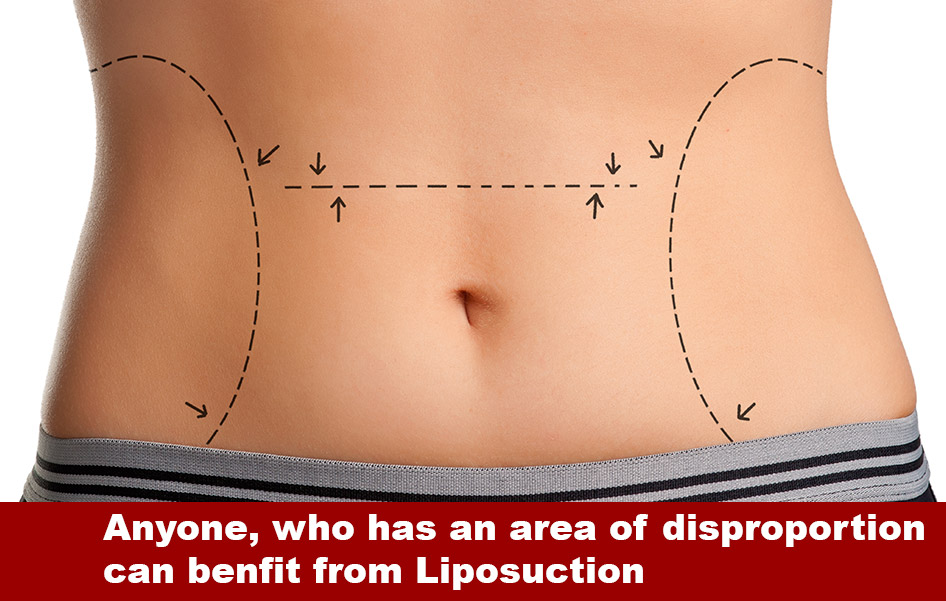
Anyone who has an area that is out of proportion with the rest of the body can benefit from liposuction. Stubborn fats as they are commonly called, as areas that will not “move” no matter how much exercising and diet one undergoes. These areas can be effectively removed by liposuction.
It is a misconception that only slim fit individuals can benefit from liposuction. Even somewhat obese individuals, as long as there are areas of disproportion, can benefit too.
However, not to be mistaken, liposuction does not help with weight loss or obesity perse. It only sculpts and contours specific areas. Obese individuals will still have to work at it from dieting and exercising in order to achieve not only a better figure, but better general health.
Some patients who are generally obese may actually benefit from some advice from dieticians and exercise physicians. There are medications nowadays that can very effectively bring about weight reduction without many of the side effects with the older slimming pills. Wegovy or Zepbound, various types of peptide called GLP1, are examples. And if medications fail, there is the option of a bariatric surgeon referral for Ellipse balloon or sleeve gastrectomy.
However if liposuction is clinically indicated, the patient needs to be healthy enough for the surgery. And they generally are, because for patients who have chronic illnesses like heart problems or chronic diabetes, liposuction would be the last thing on their minds. The patient group that presents for liposuction is “self-selecting” in a sense. However, most liposuction practitioners would watch out for such chronic illnesses.
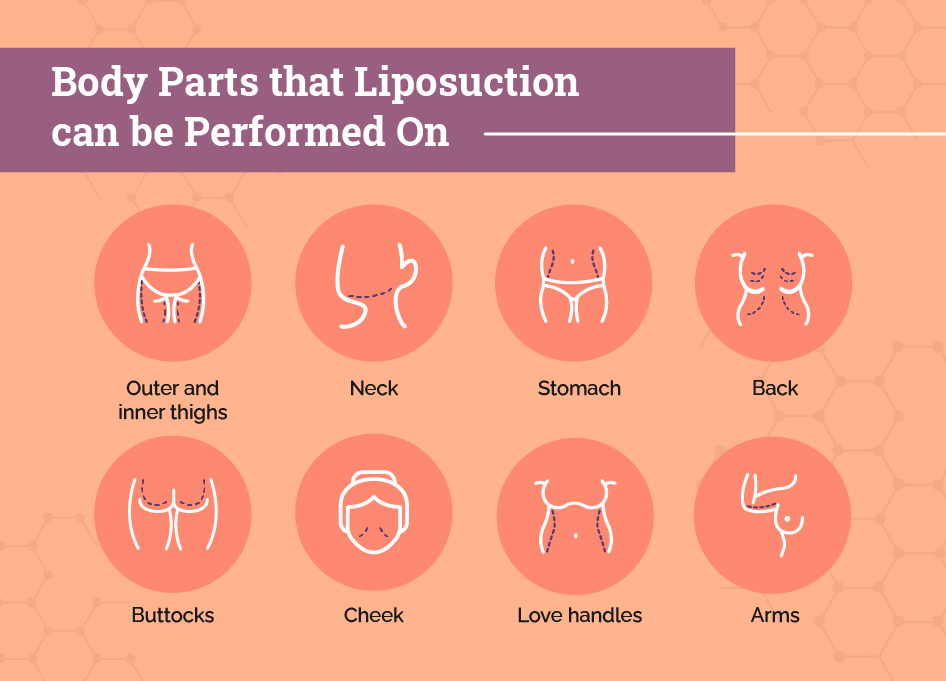
The saddlebags (outer thighs in some women), the love handles (the lower flanks which sometimes called muffin tops) and the belly are common areas for liposuction. But almost anywhere, from face down to ankle can be contoured using liposuction methods. Skin elasticity is an important consideration.
With good skin elasticity, your skin will contour nicely to your new body shape after the procedure.
Will I have Loose Skin After Liposuction?
Talking about Skin Elasticity, there are several methods which can tighten potentially loose skin during a liposuction procedure. These are added steps during the liposuction procedure. Energy in the form of plasma (Renuvion) from activated helium, or heat from radiofrequency (BodyTite), are delivered through the liposuction incisions to tighten the overlying skin. These technologies have built-in safety mechanisms to avoid overheating or injuring the skin they are supposed to tighten. These skin tightening procedures are useful in areas where loose skin commonly occurs, like in the belly, the underside of the arms and the inner thighs. Read more about these added steps to prevent loose skin after Liposuction. And also about a mildly invasive treatment like Facetite that tightens and sculpts the skin of the lower face and neck, either with or without liposuction.
If you’re looking at liposuction to lose weight, you’re looking in the wrong direction.
With large-area liposuction, you generally lose up to 1-2 kg of weight at a maximum. A more realistic expectation from liposuction is that you can get a particular part of your body sculpted so that the body’s curve flow in better harmony. And then you should be more motivated to gym or workout to improve on your figure.
Motivation is very important for the long haul. Maintaining your weight within a stable band (less than 5% fluctuation) is very important to prevent fat redistribution. Particularly after large area liposuction, the body will have a natural tendency to deposit the fat into another area. This redistribution can be anywhere including in the visceral fat deposits.
Fat redistribution will not occur if you do not, over the years, put on a lot of weight after liposuction.
Depending on the area to be treated the liposuction procedure can vary from a 10-minute minor-procedure done in the clinic under local anaesthesia, to a 2-hour procedure in day surgery performed under sedation by an anaesthetist. Here’s what you can expect.
The Liposuction Consultation
A consultation is important determine if you are suitable for the procedure or not. Obvious contraindications like health conditions aside, there are important considerations that need to be discussed.
One important consideration is the quality of the skin over the area to be treatment. Most surgeons can accurately estimate if there would or would not be any loose skin following a debulking procedure like liposuction. And sometimes, the trick may be to debulk less to avoid loose skin. All this may be discussed with the patient.
Another consideration is the extent of the procedure. In other words how many areas we can safely include in one session. Even if performed under sedation or general anaesthesia, the liposuction area needs to be pre-infused with a tumescent solution to reduce bleeding during suction. And there is a safety limit to how much tumescent solution can be infused in a session of liposuction. Most surgeon will be able to combine one large area like the abdomen or thighs with another small area like the arms in one session of liposuction.
And then everything else from the recovery process to what can realistically be expected after liposuction should also be discussed with the patient.
The Liposuction procedure itself
The first step in a liposuction procedure is the infusion of tumescent solution, which acts as an anaesthetic as well as reduces bleeding during liposuction. Depending on the type of liposuction used, some form of energy may be applied to loosen up the fat deposits. This may be in the form of high frequency ultrasound energy in Vaser assisted liposuction, vibrations in Microaire or water pressure in water-jet liposuction. However, very often the fat is soft and loose enough to be sucked out without the added step of “power-assisted” liposuction.
And then suction of the fat. The surgeon will determine the point at when the intended sculpting and contouring is achieved.
Patients will rest in the recovery area of the day surgery until the effects of the sedation are wearing off. Meanwhile, nurses help the patient put on the compression garment.
There are of course individual variations, but generally recovery is a breeze after liposuction. Swelling and bruising is to be expected, but they are not debilitating. Most patients are mobile and active the very next day after the liposuction.
The swelling starts at around the second day progressively getting worse peaking at the 4th-5th day post op. This is where the compression garment comes in very handy to reign in the swelling and provide maximum comfort. After the 5th day, the swelling should be on the way down naturally and the compression garment becomes quite optional after the second week.
Some residual swelling may persist for up to a few months.
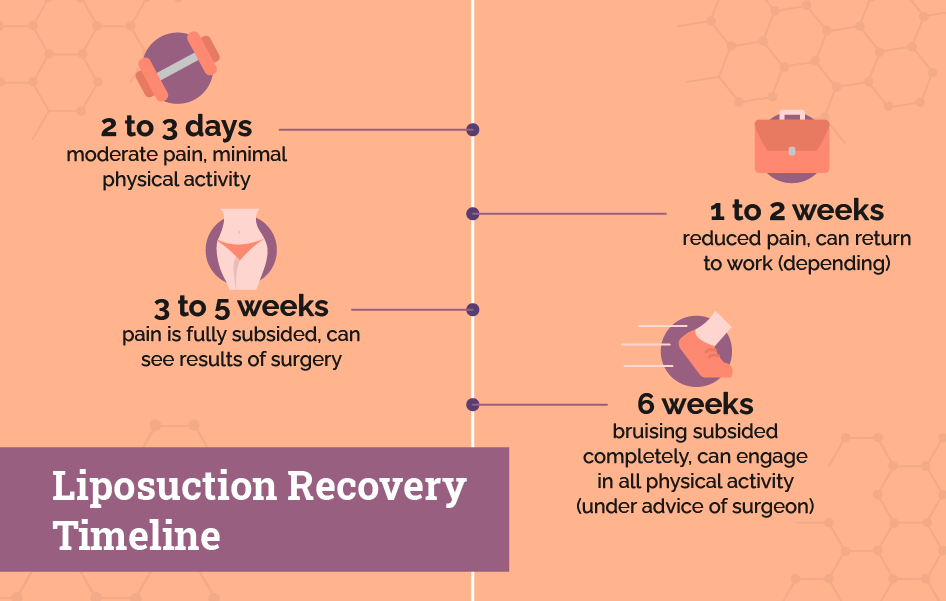
Recovery Timeline
For 2 to 5 days after surgery, and when the swelling is on its way up, you might experience some discomfort and soreness. This is where the compression garment is most needed. In fact it is a total misconception that the compression garment will change the final outcome. It doesn’t. But it sure does reduce the discomfort in the first few days after liposuction. Some surgeons might insert drains to remove fluid and blood accumulations from the treated areas. In which case you may have to limit your movements in case the drains slip off. But otherwise you can go about most light activities as normal. Like perhaps going to the supermarket or driving your kids to school, you should not have any problems.
In 1 to 2 weeks, the pain usually the swelling should be on the way down and every day that passes, it gets more and more comfortable. Compression garment can still be worn, but it gets pretty optional by now. Some clinics that specialize in liposuction may even offer RF treatments to hasten the resolution of swelling. If your job is physically demanding, take more time off to recover.
By weeks 2 to 4, the compression garment is pretty optional by now and most patients can consider some serious exercising. But always listen to your body. Don’t push if the is pain or discomfort. The healing process differs naturally, from person to person.
Finally, in about the 6th week after surgery, bruising should have subsided completely, though you may still experience slight swelling. You could say that you are just about being “bikini-ready” here at one month onwards.
The liposuction procedure has evolved over the years to become a very safe and predictable. Mitigating all the risks is the task of a well trained and experienced practitioner of liposuction. Teamwork (anaesthetists and technicians) are crucial for a good outcome. Instruments and all the devices involved in the surgery have been repeated refined over the years to bring about an even higher level of safety.
But as with any surgery, liposuction procedures come with certain risks and potential complications. Some possible side-effects and complications involved in liposuction surgery are:
Anaesthesia risks – make sure is deeper sedation is administered, an anaesthetist is present to monitor and administer the sedation.
Irregular skin contours or pigmentation– if fat is removed unevenly, the skin has poor elasticity, or the cannula causes damage to the area beneath your skin, your skin may permanently appear bumpy or irregular. Prevention is still best and it comes with experience not to push too far in removing too much fat.
Fluid accumulation– Lymphedema happens when lymphatic fluids may accumulate under the skin from localised disruption of lymphatic flow. This is usually self limiting.
Numbness– temporary or permanent changes to skin sensation may occur due to neuropraxia of the nerves in the areas treated. Modern methods and tools generally do not cause this.
Damage to internal structures– Accidental puncture the internal organs have happened before albeit very rarely. As well as damage to the blood vessels, nerves or muscles. The tools are designed not to damage internal structures by default. A good amount of tactile feedback to the hand of the surgeon actually mitigates to a large extent.
Infection – skin infection may sometimes occur.
Poor recovery – persistent swelling or poor wound healing may occur
Liposuction surgeries have a total of approximately 5% complication rate, with most complications being minor. Speak to your surgeon to understand more about such preventable risks.
How much does it cost to do liposuction in Singapore?
There are various components to the cost of liposuction. There is the surgeon’s fees, the anaesthetist fees, the rental charges for the day-surgery operating theatre, the compression garment, the discharge medications like antibiotics and analgesics, and the follow-ups.
If there is fat grafting, then there is also the consumable costs for separating out the nano-fat and structural fat. Your surgeon may charge you a fixed surgeon’s fee and then leave the other components variable. Some practices specializing in liposuction may charge a flat fee for the whole procedure, no matter how much operating theatre time is needed. The latter, ie. flat fee, is more common in Singapore.
In Singapore, small area liposuction of a single area ranges from $4,000 to $8,000, and multiple area liposuction can range from $8,000 to $30,000. All in. Here at David Loh Surgery, an aesthetic clinic in Singapore, we tend to charge the lower end of the range of liposuction costs in the country. Here’s our price list on everything including liposuction.
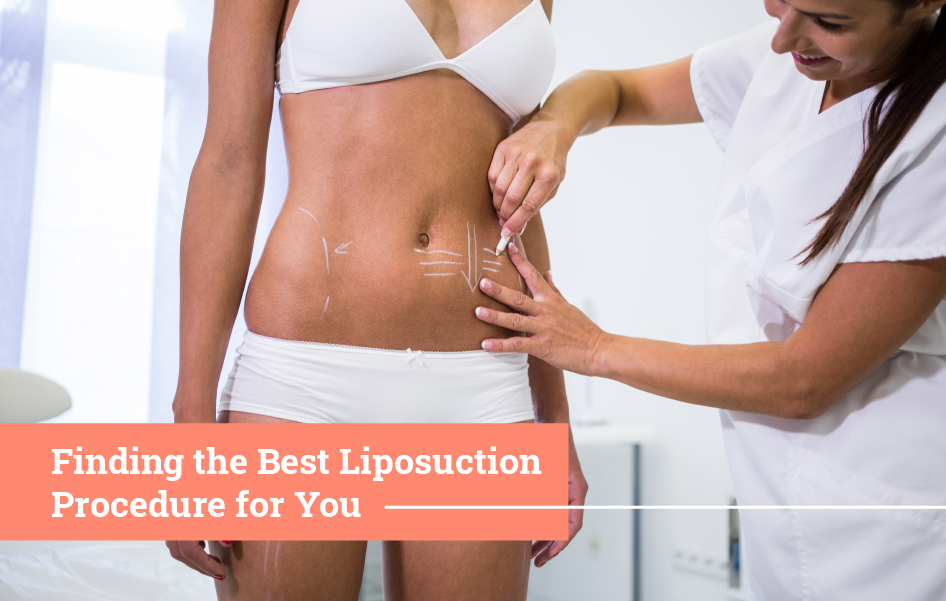
Finding the Right Liposuction Procedure for You
What is VASER Liposuction?
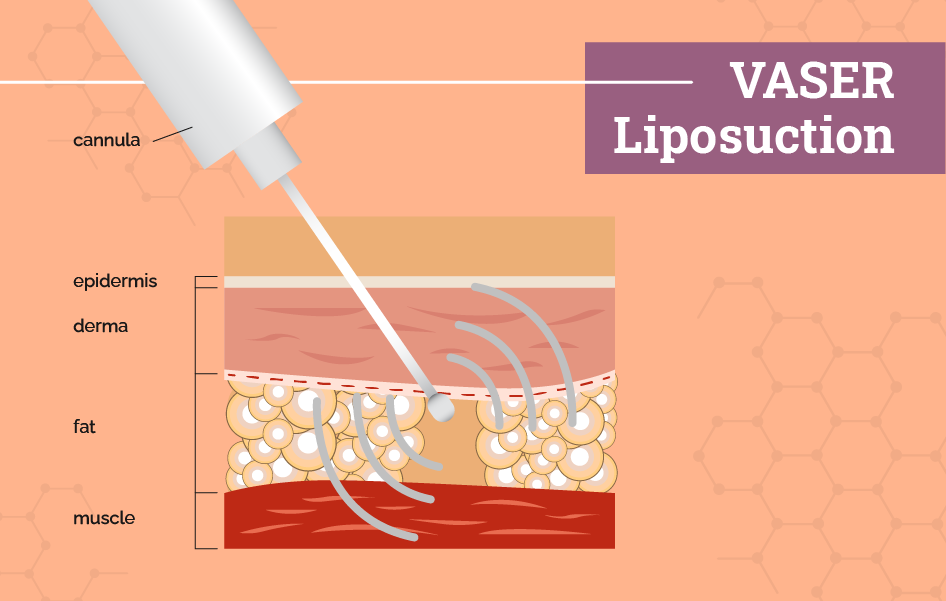
Vaser stands for Vibration Amplification of Sound Energy at Resonance and is a particular form of liposuction that has proven to be popular in the last 16 years.
Vaser Liposuction works by loosening fat deposits using ultrasonic energy so that they can be more easily extracted using the cannula suction. The ultrasound energy is delivered via a probe inserted under the skin. Only fat cells are selectively targeted, to cause them to loosen up. The blood vessels, muscles, connective tissues and other tissues are not affected by the Vaser ultrasound energy.
This fact alone does not make Vaser the best form of liposuction as claimed by many doctors online. Any form of liposuction is only as good as the surgeon’s skill, technique and experience. Some surgeons are world renown in liposuction, but do not use Vaser. They achieve great work with for example only syringe liposuction, or what is also commonly referred to as conventional liposuction. And the converse is also true. Do take note of this.
High definition Vaser Liposelection or Vaser HD is a variation of Vaser Liposuction that works by sculpting fat deposits into muscular shapes. Or else, the fat layer under the skin is thinned out more than usual so that it becomes easier to see the underlying muscle shapes. The cost of undergoing Vaser HD ranges from about S$8,000 – $12,000 at our clinic in Singapore. See our price list.
What is Smartlipo?
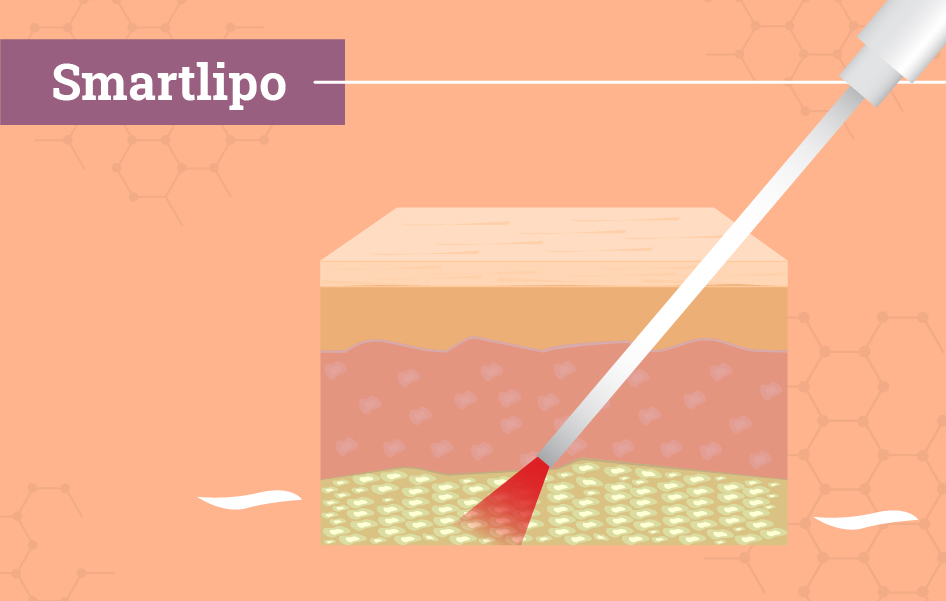
Smartlipo is another liposuction technique commonly used to remove fat from smaller areas like under the chin or cheeks.
A fibre optic laser is inserted into the skin to reach fat layers. The frequency at which the Smartlipo laser is fired disrupts the membranes of the fat cells. The destroyed fat cells are then moped up by macrophages (white blood cells) to be processed in the liver and excreted through your stools. The technique is minimally invasive because it does not require inserting a cannula to vacuum up fat cells – rather the fat cells are cleared naturally through biological processes initiated inside your body.
Difference between Vaser, Smartlipo and “Traditional” Liposuction
The added step between tumescent anaesthesia and suction in Vaser and Smartlipo makes them so called “power-assisted” methods of liposuction. Whereas in traditional liposuction, also known as the conventional liposuction, there isn’t the additional step to loosen up the fat deposits before suction.
Whatever method, they are all invented with the objective of removing fat deposits from under the skin to sculpt and contour areas of the body. And the best method is not in the technology, but the skill and experience of the surgeon.
Traditional Liposuction
Traditional or conventional liposuction removes fat manually through the cannula without first dispersing fat cells. This procedure breaks up fat cell deposits using repetitive movements and suction pressure to suck out fats through the cannula. The cannula is moved back and forth by the surgeon to break up the fatty layer.
You could say a considerable amount of “elbow grease” is involved. Hence power assisted methods like Vaser or Smartlipo were invented to make life easier for surgeons.
But in actual fact for surgeons who do liposuction often, the act of performing liposuction is like playing a violin in an orchestra, a joy and a sense of achievement, rather than a chore. With or without power-assisted methods.
Vaser Liposuction or Smartlipo
This is like comparing apples and oranges. Vaser is very efficient at removing fat from large areas like the abdomen and the thighs. Smartlipo delicately removes fat from very small areas like under the chin, the cheeks and the so-called “bra-strap” fats.
Their indications are quite different, but of course the objective is the same. Being to sculpt and contour a certain part of the body.
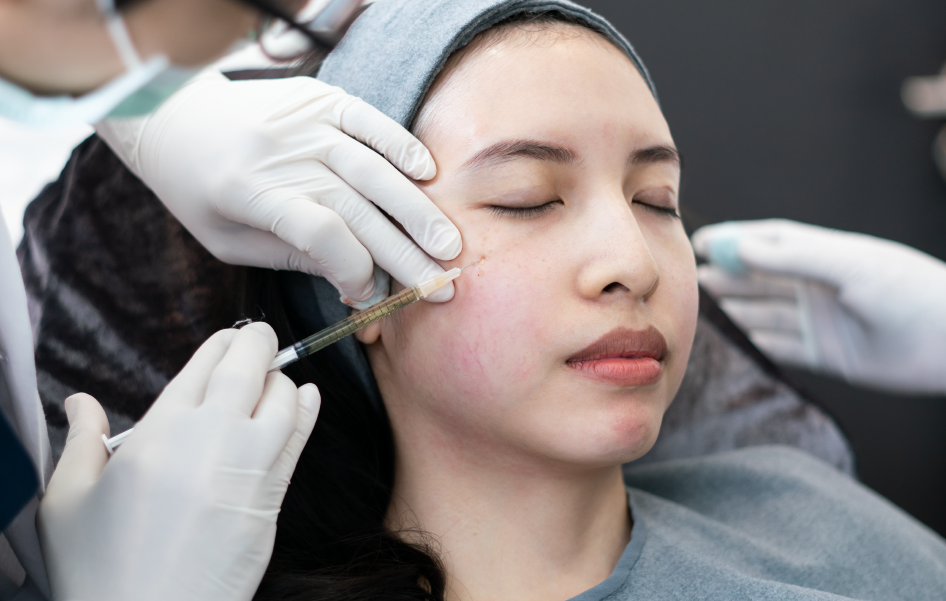
Fat grafting, also known as fat transfer or lipofilling, involves transplanting fat from one part of your body to another part for enhancement or volume replacement. Common areas for augmentation with fat grafting include the cheeks, breasts, buttock, and hands.
The benefit of fat grafting over other fillers or implants is that it uses tissue from your own body (autologous fat), which completely avoids the issue of rejection.
What is the fat grafting procedure like?
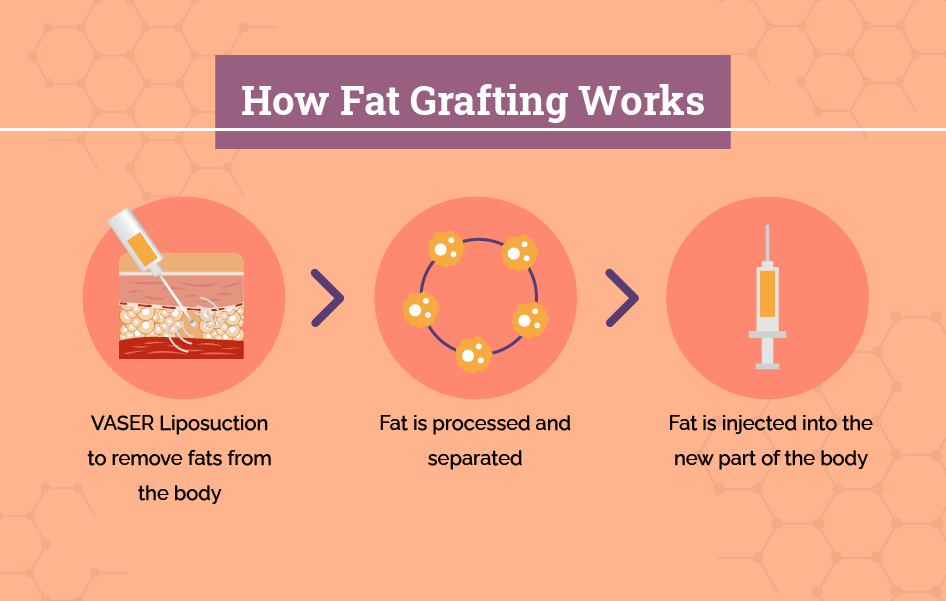
The first step of fat grafting is a liposuction procedure to harvest fat cells that will be used as the “filler material”. Depending on where the augmentation area is, the amount of fat required would be quite different. It could, for example, be a mini-liposuction of a palm-sized area for fat grafting to the face. Less than 100mls would often be enough. Or it would require a liposuction of a large area like the abdomen or the thighs in the case of fat grafting to the breasts or buttocks.
After the fat is harvested, the fat cells are cleaned and filtered. The filtration process yields various fractions of fat. Some of the larger fat particles are intended for structural augmentation, while the smallest ones are intended for the stem-cell like effects on the skin. These are the stromal vascular fraction (SVF) or the nano-fats.
The fats are then decanted into syringes ready to be re-injected into the various sites where augmentation was intended. The fat grafting procedure is done immediately after filtration. Liposuction-specialised practices do not store the extracted fat for use another day. There are however stem cell banks that can store adipose-derived-stem-cells, or mesenchymal-stem-cells (MSCs) as they are also called, use at a later date. Even up to many years later.
Although there are no clinically approved use for MSC at the moment, there are therapeutic applications on the horizon with promising results for the treatment of diseased organs.
First and foremost there must be enough fat to harvest through a liposuction procedure. For fat grafting to the face, this is not so important as a consideration because the amounts needed are not so much. For fat grafting to the breasts or the buttocks, 500mls or more of fat may be needed. And most thin individuals do not have that much spare fat.
If the fat is available, autologous fat (own fat) is a very good filler material for people who wish to enhance their breasts or buttocks, lift their cheeks or perform enhancements to other parts of their body. The nano-fats can also be used to treat wrinkles or scars from previous surgery or injury.
Patients do need to moderate their expectations as to how much of any increase in breast size they can achieve with fat transfers. For significant improvements in breast cup sizes, like C or D cups, breast implants are still the better option. Fat transfer to the breasts can increase perhaps one cup size at most, and is best observed in petite individuals whose starting point is an A cup.
Breast cancer survivors in Singapore who have undergone partial or full mastectomy sometimes choose to undergo the fat grafting procedure to replace volume in their breast. As an adjunct to other treatments like rotational or free flaps.
Take note of some things that you can do to prepare yourself for the liposuction surgery in the days leading up to it:
Do not eat or drink anything in the morning of your procedure (after midnight the previous day) to prepare your body for anaesthesia
Do not shave, especially the areas that will be undergoing treatment, to prevent irritations or ingrown hairs that may cause infections
Do not apply moisturisers, makeup, sunscreen etc. to your body before you go for surgery because the areas undergoing treatment should be chemical-free.
Wear loose and comfortable clothing to and from the clinic to minimise irritation after the surgery
Arrange for somebody to pick you up or be prepared to call a taxi home after the procedure as you should not drive after being under anaesthesia
Stay active and mobile during the recovery period. This will help the swelling dissipate faster.
How do I maintain results after liposuction surgery in the long-run?
Liposuction can do wonders for your body, making you feel good and confident about yourself. However, your body will continue to gain and lose fats based on your exercise, diet and lifestyle – just like it ordinarily would before liposuction. To maintain the results of your newly-shaped body, you have to keep with a healthy diet and lifestyle in the long-term. Feeling good about yourself does not just depend on how your body looks, but how you feel inside too – and staying healthy is one great way to do that!
1. Eat healthy
To first recover well from liposuction surgery, eat foods that are low in sodium and salt, and high in vitamins, antioxidants and other nutrients. Some best foods to take during post-surgery recovery are celery, grapefruits, watermelon and strawberries. Altering your diet, especially in the few months after surgery will boost your body’s immune system and help you to recover better and faster. You should also increase your protein intake to help with muscle and skin recovery.
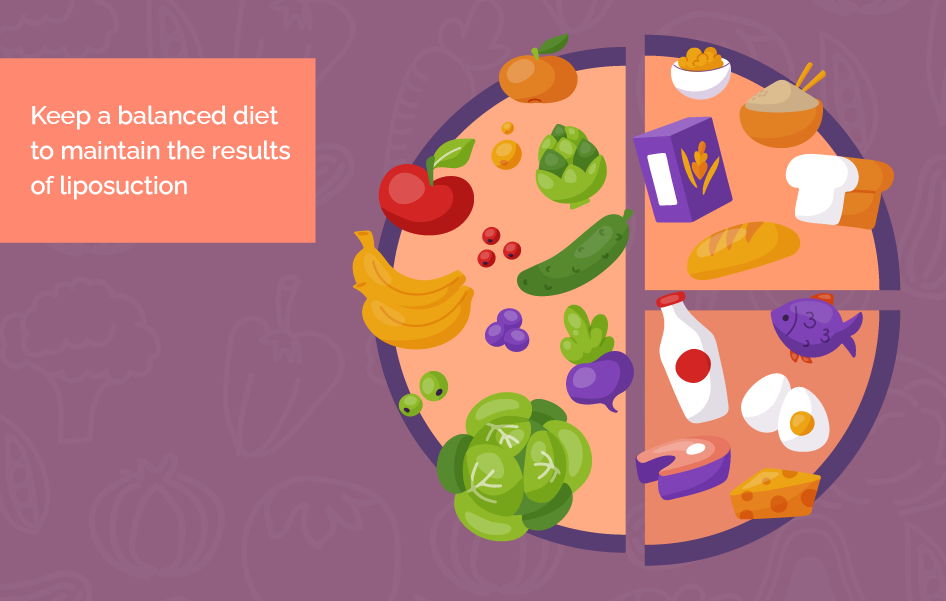
Even after you have fully recovered from the liposuction procedure, continue to keep a healthy and balanced diet daily! In Singapore, a healthy diet should include half a plate of fruits and vegetables, a quarter of whole grains such as brown rice or wholemeal bread, and a quarter of meat, seafood, eggs, and low-fat dairy products. Eat more smaller portioned meals rather than a few big meals.
Munching healthy, delicious foods will make a huge difference to your body’s health and help you to maintain the results of liposuction.
2. Exercise Regularly
Adults in Singapore are recommended to engage in moderate-intensity physical activity at least 150 minutes every week. Some simple exercises that you can do in your home are marching in a stationary position, sitting down and standing up from a chair, doing leg raises to the side and back and doing arm stretches.
Of course, you can adjust the intensity and difficulty of your exercise according to how well you can cope with it. After the surgery, you should limit your physical activity until about week 3 to 5, and under the advice of your surgeon. Once you are given the go-ahead, incorporate exercise into your daily routine!
3. Drink plenty of water
Drinking plenty of water is important to prevent dehydration after your liposuction surgery. Adults in Singapore should drink at least 8 glasses of water a day, but in the post-surgery recovery stage, you should increase this water intake to about 10 to 12 glasses of water a day. When you have fully recovered, continue to properly hydrate yourself. Water helps to boost metabolism, aid digestion and even maintain your energy level throughout the day.
With reasonable expectations about liposuction results in the long-run, you can be happier and healthier after a procedure!

[nz_gap height=”30″ /]
Dr David Loh is one of the MOH accredited Liposuction practitioners in Singapore. He performs various types of liposuction including traditional liposuction, Vaser, Vaser HD and Smartlipo. He also performs fat grafting and nanofat grafting.
[nz_gap height=”30″ /]
Conclusion
Overall, liposuction can be a smooth and efficient process to boost your confidence and health in the long run if you get the best advice and undergo the best liposuction procedures suitable for your body. To mentally prepare for liposuction, read up, book a consultation at the aesthetic clinic, ask questions – and everything will flow after that. Embark on your liposuction journey with us!
David Loh Surgery is an established aesthetic clinic in Singapore providing liposuction services since 2006, . Book a consultation with us. WhatsApp+65 9153 1503 , Call us +65 6733 5300, or sending us an email here.
What causes gynecomastia (male breasts or Man Boobs)? How can we treat it? Also, what is pseudo-gynecomastia?
The first: Exercise?
One thing is for sure, “push ups” are not one of the treatments.
The glandular tissues in the breasts are by nature sensitive to hormonal changes. They grow and swell when there is a surge in sex hormones. And shrink when hormone levels are low. Which is why females develop breasts at puberty.
Though uncommon, some boys also develop swelling in the breasts usually around puberty, but which then spontaneously resolves. It may affect one or both sided of their chests. The name for the condition is gynecomastia, and it is probably the result of a temporary hormonal imbalance causing the breast tissue to be sensitized. No treatment is needed for this group of boys.
Second: Investigate and Treat hormonal disorders, if any.
A small percentage of these cases of pubertal gynecomastia continue to have a small amount of breast swelling into adulthood. In the great majority of these persistent cases, there is no underlying cause to be found. However, a small percentage of these cases are associated with a more serious underlying conditions where excessive female hormones are produced – including certain cancers. But these are extremely rare.
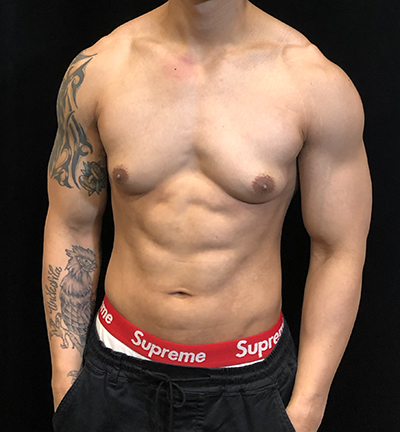
Quite commonly these days, gynecomastia is also associated with the abuse of anabolic steroids for body building purposes. In fact, they constitute the large majority of the cases we treat.
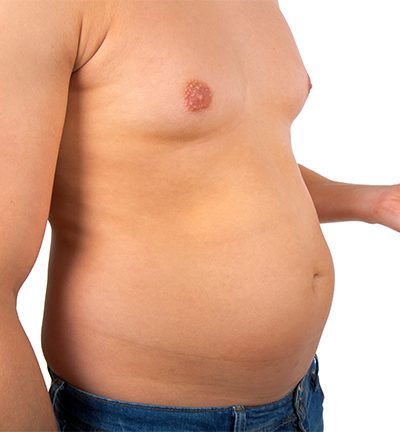
And then there is “pseudo-gynecomastia”. Whereas in gynecomastia, the breast’s glandular tissues are enlarged, in psedo-gynecosmastia only the surrounding fat tissue is excessive, which then gives rise to the appearance of breasts on a man’s chest.
“Pseudo” or “real” are quite easily distinguishable. When squeezed between your fingers, fat feels different from glandular tissue. Fat being softer to touch than glandular tissue. An ultrasound scan may also be useful to distinguish between the two.
Distinguishing between “pseudo” and “real” gynecosmastia is important because while pseudo-gynacomastia is mainly a body contouring issue and there are methods including liposuction which can help reduce it; “real-gynecomastia” may be a sign of a more serious underlying pathology. And it calls for clinical investigation into whether there are underlying medical conditions.
A series of tests (lab and X rays) should be able to rule out the more serious stuff. And the tests are not expensive. Referrals can be made if serious underlying conditions are detected.
Third: Liposuction or Excision for Men Boobs
In most of the cases, there will be nothing wrong elsewhere and then the gynecomastia becomes a purely cosmetic issue. The breast tissues can be surgically excised in a minor surgical procedure.
The commonest group of patients that present with male breasts are nowadays those whom had at some point in their lives abused anabolic steroids.
The signs are very tell-tale. Firstly, these patients are bulkier in terms of muscle mass than an average male, they have rougher and more leathery skin than usual, and they have “bitched nipples” (this is body-building terminology for permanently erected nipples).
Treatment for this group of patients may involve combining a liposuctionwith a surgical excision, as they would have both swollen glands and accumulated fat after they abandoned the body building circuits.
There are of course medications that can help block the oestrogen sensitivity. Drugs like Clomiphene and Tamoxifen are inexpensive ones. They may not always work. So cosmetically speaking liposuction and or surgical excision is still the surer bet.
About our Doctors
Dr David Loh is the founder of David Loh Surgery located in Wheelock Place and Novena Medical Center. He is assisted by Dr Phoon Yi Shan, who is a senior partner in the aesthetic practice. Dr David Loh is accredited by MOH to perform liposuction. Dr David Loh is the President of the Society of Aesthetic Medicine.
Our doctors use a combination of liposuction and surgical excision to help our male patients achieve a better-looking chest. We will investigate for any underlying medical condition that may be causing the hormonal imbalance.
Cellulite is caused by “bulging” fat-pockets tethered down by fibrous bands under the skin. Excess fat and water-retention aggravates the “bulging.” Dimpling and uneven skin, which is characteristic of cellulite, has also been likened to an orange peel – peau d’ orange.
Cellulite, which affects over 90% of post-pubescent women to varying degrees, is commonly found on the thighs, buttocks and legs. The older one gets, the more likely that there is cellulite. This can be explained by an increase of hard fibrous bands accumulating in the thighs over the years.
HISTORICAL PERSPECTIVE
On the point about poor circulation, it is very interesting to note that doctors in the early days of Medicine (19th century) classified Cellulite as a disease of poor circulation and possibly an “infection”. You find the term “Cellulitis” used in older textbooks. Cellulitis nowadays denote an infection of the skin and its subcutaneous tissues. Which Cellulite is absolutely not. It however shares the characteristic of infection, like swelling and poor circulation.
ANATOMICAL PREDISPOSITION
Cellulite is caused by bulging fat pockets squeezed by fibrous bands in certain parts of the body. The fibrous septae in men are diagonal whereas in women where they are perpendicular to skin. This and the difference in fat distribution between the sexes, make cellulite more common in women.
COMMON MYTHS
The actual problem is not the result of being overweight, contrary to common beliefs. Cellulite can sometimes be found on non-obese girls in their 20’s.
However, weight reduction often causes it to appear less visible. Exercise decreases the appearance of cellulite mainly be improving tissue circulation. And to a certain extent, it reduces fat deposits.
CURRENT TREATMENTS
Treatments that improve local tissue circulation will be useful. Medical grade RF, Mechanical RF, Shockwave, and even manual massage will he useful. The heat generated by some of these methods destroys a little of the fats, contracts the fibrous septae and improves tissue circulation.
We have both mechanical and non-mechanical RF, shockwave and 2 kinds of cryolipolysis for the above purpose. However, these are only useful for mild degrees of cellulite. And regular maintenance is needed, as you would imagine for a condition where the underlying problem is “poor circulation”.
Subcision in the hands of an experienced liposuction doctor is a more permanent solution. The harder and thicker fibrous bands can be severed in subcision, which is a minor surgical procedure. Like below.
EXPECTATIONS
Cellulite-free legs like in fashion models can only happen in print media because of photoshop. In reality, very few women can escape having some cellulite. It’s all a matter of degree.
However, with a scientific approach to understanding and treating the underlying causes, we can treat cellulite to a reasonably good degree.
If aesthetic treatments and cosmetic surgery are still taboo, it is because of the stereotypes still perpetuating in popular media. These stereotypes tend to portray aesthetic treatment or cosmetic surgery patients as being vain or narcissistic, or that they cannot reconcile with their bodies (a condition called body dysmorphia syndrome). And that cannot be further than the truth!
The vast majority of patients who come forward for aesthetic treatments and cosmetic surgery are actually highly motivated and very driven individuals. Their underlying motivation is about taking control over their appearance and hence their destiny. Whether it is to find a life partner or to look sharp for job and business prospects, aesthetic treatments and cosmetic surgeries give them a sense of empowerment over their own destiny. It is this sense of empowerment that defines the modern day patient for aesthetic treatments.
Modern day aesthetic treatments with little or no downtime fits fits right into this whole frame of mind. Where the individual takes control over his or her destiny, appearance and competitiveness.
And very often, they are so empowered they will travel the world to seek out the best treatments and best practitioners.
And these individuals usually have no qualms about admitting to having work done. So there you have it, the modern day aesthetic and cosmetic surgery patient.
At the time of writing this blog, there are no approved uses for Mesenchymal Stem Cell (MSC). MOH in Singapore only allows the use of stem cells in approved clinical trials. And for the treatment of medical conditions only. Their use in aesthetics is particularly frowned upon because it is expected that greedy and unethical doctors (or worse beauticians) would exploit the situation.
The technologies to harvest and store stem cells over long periods have existed for decades.
To avoid coercion or conflict of interest, the liposuction doctor who harvests the fat, the facility that stores the MSC, and the doctor or institution that initiates the clinical trials for the stem cell therapies should be separate unrelated people.
What are Stem Cells?
There are several types and sources of stems cells. Embryonic stem cells are derived from aborted embryos, which as you can imagine are outlawed in many countries due to ethical concerns. Adult stem cells can be derived from placenta, umbilical cord, adipose, bone marrow and even teeth.
Stem cells from the bone marrow are well-established therapies for various blood diseases. Some initial success has also been reported for cord blood.
Stem cells extracted from your own fat deposits are a newcomer. A mini-liposuction procedure is needed to get the fat out of the body to yield the stem cells. Adipose tissue derived stem cells are called Mesenchymal Stem Cells (MSC).
The technology to cryo-preserve stems cell has been around for decades. Just make sure the stem cell bank is properly accredited.
The cryo-preserved MSC can in the future be used in regenerative therapy. This refers to the use of regenerated MSC to replace damaged cells in organ failures. One such area of research is in pancreatic beta-cells for the treatment of diabetes. The future for many other diseases may well be in MSC and regenerative therapy.
However in order that you have the best MSC when you most need it in the future, you can do 2 things.
Ensure that the mini-liposuction is done in a reputable and experienced centre.
Choose the best stem cell bank that will store your stem cells for decades to come.
If you happen to be thinking about liposuction anyway, it might be a good idea to have some of the excess fat (which will be discarded) processed for MSC storage. Perhaps one day the MSC can grow a much-needed organ for you.
Liposuction is a treatment that is useful to sculpt areas of the body or the face that are disproportionate. Pockets of fat are extracted using a thin cannula to reveal a better body contour. The saddlebags, the love handles or a belly that is not in sync with the rest of the body shape are common areas for liposuction.
Liposuctions are minor surgical procedures. They are performed in a day-surgery OT with an anesthetist to administer sedation. The surgery takes about 1-2 hours in general to complete. The recovery time depends on the extent of the liposuction, but generally most patients will be able to go out of the house and run errands to very next day.
In some cases, the extracted fat can be transplanted to augment other areas, which have shrunk in the process of aging. This is referred to commonly as Fat Transfer. The face and the breasts are examples of such areas for Fat Transfer.
And of course during liposuction, a portion of the fat cells can be sent to the laboratory for extraction of mesenchymal stem cells (MSC), which are then stored for future use.
Storage of Mesenchymal Stem Cells (MSC)
The extracted MSC should be stored in a reputable cell banking facility, and preferably in a country like Singapore, which has very stringent laws regarding cell banking and storage standards. Cell banking facilities in Singapore have more than 20-year experience for successfully storing cord blood and stem cells of other sources.
Check that MSC may be withdrawn at the patient’s request for therapeutic purposes.
For ethical reasons, and to avoid and conflict of interest, the therapeutic applications should be administered by a doctor or institution other that the liposuction doctor or the stem cell banking facility.
First Misconception: Is liposuction a method of weight reduction?
The answer is no. Liposuction will not reduce weight and if any, it’s only marginal.
While it is an established fact that Liposuction can effectively sculpt areas that are out of proportion or are not in harmony with the rest of the body, a common misconception about liposuction is that it can also help the patient to lose weight.
According to Dr David Loh, “The only way to lose weight is with determination and with help from a dietitian, a gym-trainer and occasionally, if the obesity is severe, a bariatric surgeon.” A bariatric surgeon specialises in surgery to treat pathological obesity.
Liposuction is a procedure where fat deposits directly under the skin are extracted through a small incision in the skin. Fats wrapped around organs, which are called visceral fats, are not dealt with during liposuction.
The arms, chest, breasts, waist, thighs, calves, ankles and the area under the chin can be sculpted. These areas can be difficult to tone with just just exercise and diet, and liposuction offers a helpful option.
Dr Loh stressed that patient selection and education are important for the long-term success of the procedure.
Second Misconception: Can we do a full body liposuction?
“We cannot do ‘whole body liposuction’ for the obese. It will not succeed. Nope, liposuction is not for weight reduction.” he said.
Patients need to understand that they must continue to exercise and diet in order to maintain good long-term results. Areas that have been treated will not accumulate fat again. If the patient puts on weight after liposuction, other areas will take over the task of storing fat. This can cause a distortion of the overall figure. Visceral fat can also accumulate faster around the organs during periods of drastic weight gain. This is unhealthy.
So, it is of utmost importance that patients understand that must not to allow any weight gain after liposuction. “If you maintain your weight within a plus-minus 1-2 kg band, you will be fine.”
Third Misconception: Vaser is the best form of Liposuction.
Liposuction can be done with the help of assisting devices. Dr David Loh uses Vaser Liposelection. But regardless of which assisted form of liposuction, it is essentially the experience and the skill of the liposuction surgeon which will determine results and the outcome of the surgery, not the tools. Dr David Loh also performs High Definition Vaser (Vaser HD).
Dr Loh also performs autologous fat-transfer to the face and breasts. This is where a person’s own fat is transplanted to the face for greater support of the skin or to the breasts for a slight enhancement. For the face, Nanofats can be grafted to do the work of fillers.
If cellulite is is caused by some degree of lipoedema, then Liposuction can be one of a range of tools to correct it.
Liposuction is performed in a Day Surgery OT and Dr David Loh works with anaesthetists to provide greater comfort and safety to his patients.