Andropause

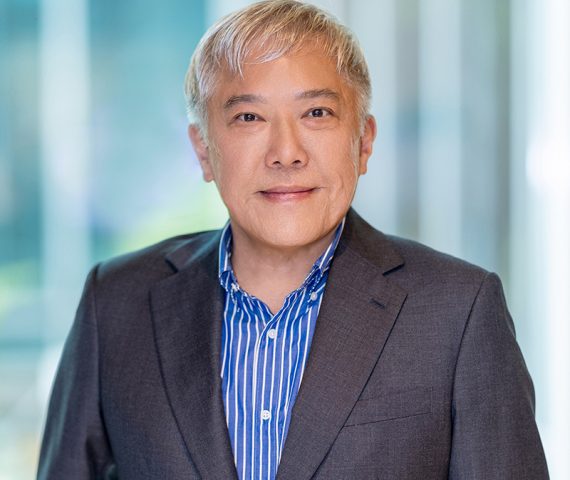
Andropause – explained by Dr Derek Koh

Andropause

The term ANDROPAUSE, otherwise referred to as male menopause is a natural age related condition that some men experience. The andropause transition is attributed to a steady and progressive loss of testicular function that is associated with ageing. Its meaning is derived from the Greek ‘andro’ meaning male, and ‘pause’ to stop.

What is testosterone?

Testosterone is a sex hormone produced in the testes that provides men with their male characteristics. These hormones are crucial for the male sexual and reproductive function.
As men age their testes stop working as well, and over time testosterone levels decrease. Testosterone levels reduce by around 1% each year from the forties and fifties. By their mid-fifties some 30% of men experience andropause. There are also an increasing number of younger men, some only in their twenties having low testosterone. Among reasons for premature low levels of testosterone, are factors such as obesity, high levels of stress and alcohol use.

Symptoms & outcome of andropause

Lowered production of testosterone is the main factor that influences andropause and its accompanying symptoms
The most common symptom of andropause is fatigue, especially in the morning. Other symptoms include, lack of motivation, lowered sperm production, body composition changes, erectile problems, lack of libido, sleep disruption, impaired memory, difficulty concentrating, hot flushes, irritability and mood swings.
Optimal testosterone levels are needed for good function of the heart, blood vessels, brain, skeleton, blood, genitourinary tract, skin and almost every other body system. In particular, the brain is rich in receptors for testosterone. A normal testosterone level is protective against Alzheimer’s dementia, symptoms of Parkinson’s disease, and cognitive or mental decline. Testosterone improves mental sharpness, concentration, and memory. Testosterone also improves flexibility, mobility, balance, and coordination
Since andropause often often occurs during middle age, at, it is easily overlooked as simply a ‘mid-life crisis’. However if ignored, andropause can result in a gradual deterioration in health. In turn, this can lead to frailty and premature ageing.

Andropause self-assessment

For a self-assessment of whether you have the symptoms of andropause, the answers to these ten questions may be a starting point.
 
1) Have you noticed a decrease in your sex drive? 
2) Do you lack energy and are tired more often?
3) Have you lost strength and endurance (or both)? 
4) Do you get less enjoyment from life? 
5) Have you lost some height? 
6) Have you noticed a deterioration in your ability to play sports? 
7) Do you find yourself falling asleep after dinner?  
8) Has your performance at work deteriorated?
9) Are you prone to feeling moody and sad? 
10) Are you lacking in self-confidence?

[nz_sep top=”20″ bottom=”20″ width=”” height=”” type=”solid” color=”#e0e0e0″ align=”left” /]

Measures to manage andropause

Weight management

A reduction in waist circumference is one of the most modifiable risk factors for testosterone deficiency. A man’s testosterone falls as his Body Mass Index (BMI) increases. Male obesity is associated with lowered testosterone

Regular exercise

Regular workouts can boost testosterone levels and help to slow down the decline in this hormone. High-intensity exercises combined with intermittent fasting can be beneficial in increasing testosterone.

Stress management

When physically or mentally stressed, your body releases cortisol and increases blood sugar. This hormone can block the effects of testosterone. This is because stress and disease states accelerate the decline of ‘Leydig cells’ that are located in the testes and responsible for the production of testosterone

Adequate sleep

Testosterone is produced mainly during sleep. Morning testosterone levels are partly predicted by total sleep time. So getting plenty of uninterrupted sleep does matter.

Dietary management

Consume adequate ZINC. Zinc is vital for hormonal balance and reproductive health. Without zinc, the pituitary gland cannot release the hormones that stimulate the testes to produce testosterone. Insufficient zinc can lead to a reduction in testosterone levels, lowered sperm production, and reduced muscle endurance.
Reduce SUGAR consumption. Testosterone levels decrease after sugar consumption. Studies have found that a 75g of sugar intake causes a 25 per cent drop in testosterone levels for up to two hours after consumption
Reduce ALCOHOL consumption. Alcohol intake lowers testosterone levels and it can also affect your libido and erectile function. Excessive alcohol consumption can also increase estrogen which can counter the effects of Testosterone.

HORMONE THERAPY

Hormone replacement therapy for declining levels of testosterone involves the correction of the testosterone deficiency by introducing the hormone back into the body to counteract hormonal imbalance.
Middle aged men that have symptoms of andropause often find that their testosterone level is in the low normal range. In these scenarios, men who have hormone therapy find that their energy levels are restored when their testosterone levels increase to the upper range.
There are a wide variety of ways in which testosterone treatment can be administered. They include oral capsules, injections, creams and gels. These can all be quite effective and have minimal side effects.
Read More

Health Screening by Dr Derek Koh

Prevention and Screening

Prevention is always better than cure, and health checkups play an important role in keeping Singaporeans in good health through early detection and diagnosis of health conditions. Learn more about our health screening packages at David Loh Surgery and choose the one most suited to your needs.


About Dr. Derek Koh

MBBS (Singapore), GDFM (Singapore)

Dr. Derek Koh is an experienced physician with over 20 years of clinical practice in health screening and preventive medicine. His clinical interests include the management of andropause, erectile dysfunction, obesity, and healthy ageing. He is board-certified in anti-ageing medicine and holds a Fellowship with the American Academy of Anti-Ageing Medicine.

Dr. Koh graduated from the National University of Singapore (NUS) in 1992 with a Bachelor of Medicine and Bachelor of Surgery (MBBS), and subsequently obtained his Graduate Diploma in Family Medicine.

He has completed local certification in Healthy Longevity conducted by the Academy for Healthy Longevity, Yong Loo Lin School of Medicine (NUS), as well as certification in Practical Andrology conducted by the Academy of Men’s Health (Singapore). In addition, he has undergone postgraduate training in Nutritional Protocols accredited by the Australasian College of Nutritional and Environmental Medicine. Dr. Koh is also an EIMS-certified physician in Exercise Prescription, an initiative launched by the American College of Sports Medicine.

Prior to his current appointment, Dr. Koh headed a health screening and wellness centre within a major private hospital from 2008 to 2023. His key professional interest lies in healthy ageing through early detection, preventive care, and sustainable lifestyle optimisation.

Dr. Koh believes that individuals can add quality years to their lives while maintaining an active and fulfilling lifestyle. Outside of work, he enjoys a variety of sports and recreational activities, including tennis and swimming.

Essential Checkup


Package 1 

$280 (before GST)

Recommended for healthy adults below 30 years of age who wish to establish a baseline assessment of cardiovascular risk factors, metabolic health, and essential organ function.

Core Component

  • Medical Consultation/Examination and Review
  • Visual Acuity Test
  • Urine Analysis
  • Stool Occult Blood Test
  • ECG

Laboratory Analysis

  • Haematology
  • Peripheral Blood Film
  • Fasting Glucose
  • Lipid Profile
  • Renal panel
  • Liver panel
  • Thyroid hormone panel (Free T4)
  • Uric acid level

Package 2 

$430 (before GST)

Recommended for adults above 40 years of age with minimal personal or family risk factors who wish to undergo baseline health screening, including selected cancer markers.

Core Component

  • Medical Consultation/Examination and Review
  • Visual Acuity Test
  • Urine Analysis
  • Stool Occult Blood Test
  • ECG

Laboratory Analysis

  • Haematology
  • Peripheral Blood Film
  • Fasting Glucose
  • Lipid Profile
  • Full Renal panel
  • Full Liver panel
  • Thyroid panel (Free T4 & TSH)
  • Uric acid level
  • Bone mineral panel (Calcium, Phosphate)
  • Tumour Markers: CEA, PSA (male only), CA125 (female only)
  • Hep A & B screening

Package 3

$580 (before GST)

Recommended for adults seeking a broader and more comprehensive baseline health screening.

Core Component

  • Medical Consultation/Examination and Review
  • Visual Acuity Test
  • Urine Analysis
  • Stool Occult Blood (Immunological) Test
  • ECG

Laboratory Analysis

  • Haematology
  • Peripheral Blood Film
  • ABO Blood Group
  • Inflammatory marker (ESR level)
  • Lipid Profile
  • Diabetic Panel (Fasting Glucose and HbA1C)
  • Extended Renal panel
  • Full Liver panel
  • Thyroid panel (Free T4 and TSH)
  • Uric acid level
  • Bone mineral panel (Calcium, Phosphate)
  • STD (VDRL)
  • Tumour Markers: AFP, CEA, CA 19.9, EBV EA, CA125 (Female only), Total PSA (Male only), H Pylori
  • Hep A, B and C screening


Executive Screening

Recommended for individuals seeking a more comprehensive preventive health assessment beyond baseline screening, with additional evaluation of cardiovascular risk, metabolic health, nutritional status, and hormonal profile.


Package 4

$650 (before GST)

Core Component

  • Medical Consultation/Examination and Review
  • Visual Acuity Test
  • Urine Analysis
  • Stool Occult Blood (Immunological) Test
  • ECG

Laboratory Analysis

  • Haematology
  • Peripheral Blood Film
  • ABO Blood Group
  • Inflammatory marker (ESR)
  • Lipid Profile
  • Diabetic Panel (Fasting Glucose and HbA1C)
  • Extended Renal panel
  • Full Liver panel
  • Thyroid panel (Free T4 and TSH)
  • Uric acid level
  • Bone mineral panel (Calcium, Phosphate)
  • STD (VDRL)
  • Tumour Markers: AFP, CEA, CA 19.9, EBV EA, CA125 (Female only), Total PSA (Male only), H Pylori
  • Hep A, B and C screening
  • Choice of Apolipoprotein panel or Vitamin D or Anemia panel.

Package 5

$720 (before GST)

Core Component

  • Medical Consultation/Examination and Review
  • Visual Acuity Test
  • Urine Analysis
  • Stool Occult Blood (Immunological) Test
  • ECG

Laboratory Analysis

  • Haematology
  • Peripheral Blood Film
  • ABO Blood Group
  • Inflammatory marker (ESR)
  • Lipid Profile
  • Diabetic Panel (Fasting Glucose and HbA1C)
  • Extended Renal panel
  • Full Liver panel
  • Thyroid panel (Free T4 and TSH)
  • Uric acid level
  • Bone mineral panel (Calcium, Phosphate)
  • STD (VDRL)
  • Tumour Markers: AFP, CEA, CA 19.9, EBV EA, CA125 (Female only), Total PSA (Male only), H Pylori
  • Hep A, B and C screening
  • Apolipoprotein panel 
  • Choice of Vit D or Anemia panel.

Package 6

$780 (before GST)

Core Component

  • Medical Consultation/Examination and Review
  • Visual Acuity Test
  • Urine Analysis
  • Stool Occult Blood (Immunological) Test
  • ECG

Laboratory Analysis

  • Haematology
  • Peripheral Blood Film
  • ABO Blood Group
  • Inflammatory marker (ESR)
  • Lipid Profile
  • Diabetic Panel (Fasting Glucose and HbA1C)
  • Extended Renal panel
  • Full Liver panel
  • Thyroid panel (Free T4 and TSH)
  • Uric acid level
  • Bone mineral panel (Calcium, Phosphate)
  • STD (VDRL)
  • Tumour Markers: AFP, CEA, CA 19.9, EBV EA, CA125 (Female only), Total PSA (Male only), H Pylori
  • Hep A, B and C screening
  • Apolipoprotein panel 
  • Vit D 
  • Anemia panel.

Package 7

$880 (before GST)

Core Component

  • Medical Consultation/Examination and Review
  • Visual Acuity Test
  • Urine Analysis
  • Stool Occult Blood (Immunological) Test
  • ECG

Laboratory Analysis

  • Haematology
  • Peripheral Blood Film
  • ABO Blood Group
  • Inflammatory marker (ESR)
  • Lipid Profile
  • Diabetic Panel (Fasting Glucose and HbA1C)
  • Extended Renal panel
  • Full Liver panel
  • Thyroid panel (Free T4 and TSH)
  • Uric acid level
  • Bone mineral panel (Calcium, Phosphate)
  • STD (VDRL)
  • Tumour Markers: AFP, CEA, CA 19.9, EBV EA, CA125 (Female only), Total PSA (Male only), H Pylori
  • Hep A, B and C screening
  • Apolipoprotein panel 
  • Vit D 
  • Anemia Panel.
  • Hormone panel (Testosterone, Estrogen, DHEAs, LH, FSH)

OPTIONAL ADD-ON MODULES (before GST)

Imaging Scans

* Chest X-ray — $25
* Abdomen — $315
* Hepatobiliary System — $240
* Kidney — $160
* Bladder — $160
* Prostate — $220
* Pelvis — $200–$240
* Thyroid — $160
* Breast Ultrasound — $160
* Mammogram — $240
* Mammogram + Breast Ultrasound — $315
* Bone Density Scan — $160

Cardiometabolic Risk Markers

* Fasting Insulin — $60
* Lipoprotein (a) — $60

Hormonal Health

* Andropause / Menopause Hormone Screening — $150

Women’s Health & Cytology

* ThinPrep Pap Test — $70
* HPV DNA Test — $240

Genomic Cancer Screening

* Lucence INSIGHT50 — Please enquire for pricing


Find a screening package tailored to your needs. Request for an appointment with Dr. Derek Koh today.

Read More
Dr Derek Koh

Introducing Dr Derek Koh

Health Screening, Healthy Aging, Sports Advice and Andrology at David Loh Surgery

We welcome the latest addition to our David Loh Surgery family, with a lifestyle advisor and established health screening doctor, Dr Derek Koh.

Dr Derek Koh graduated in 1992 with a basic medical degree & subsequently received his post-graduate diploma in Family Medicine, both from the National University of Singapore. He is also Board Certified in Anti Aging Medicine & has attained his Fellowship with the American Board of Anti-Aging and Rejuvenation Medicine.

Dr Koh has completed local certifications in Practical Andrology conducted by the Academy of Men’s Health (Singapore) as well as post graduate training in Nutritional Protocols accredited by the Australasian College of Nutritional & Environmental Medicine. He is an EIMS certified physician in Exercise Prescription, an initiative launched by the American College of Sports Medicine.

Prior to this, Dr Koh was heading a health screening & wellness center in a major private hospital since 2008. His key interest is in Healthy Aging thru early detection and subsequent prevention thru lifestyle choices.

Dr Koh is a strong believer that everyone can add quality years to their lives while embracing an active lifestyle. He enjoys a variety of sports at leisure, including tennis & swimming.

Read More

Treatments to Improve Loose Skin After Liposuction

Loose Skin After Liposuction

Liposuction is a surgical procedure in which excess fat is removed from the body using a suction technique.

If a patient is not properly assessed by an  experienced aesthetic surgeon  prior to the procedure, the removal of fat can lead to a deflation of area that is not in proportion with the rest of the body, causing a significant reduction in skin elasticity. This results in poor liposuction outcomes due to the post-operation skin not draping properly, which presents as loose skin and stretch marks.

This can occur in individuals who are poor candidates for liposuction, for instance, those who have poor skin firmness and elasticity in the first place. Their skin usually appears thin and paper-like, often accompanied by the presence of stretch marks (striae). Some examples include elderly patients, women who have a few (sometimes just one) pregnancies, and individuals who have undergone significant weight loss. For these patients, liposuction may worsen the loose skin problem, resulting in an aesthetic outcome that is less desirable than its original state.

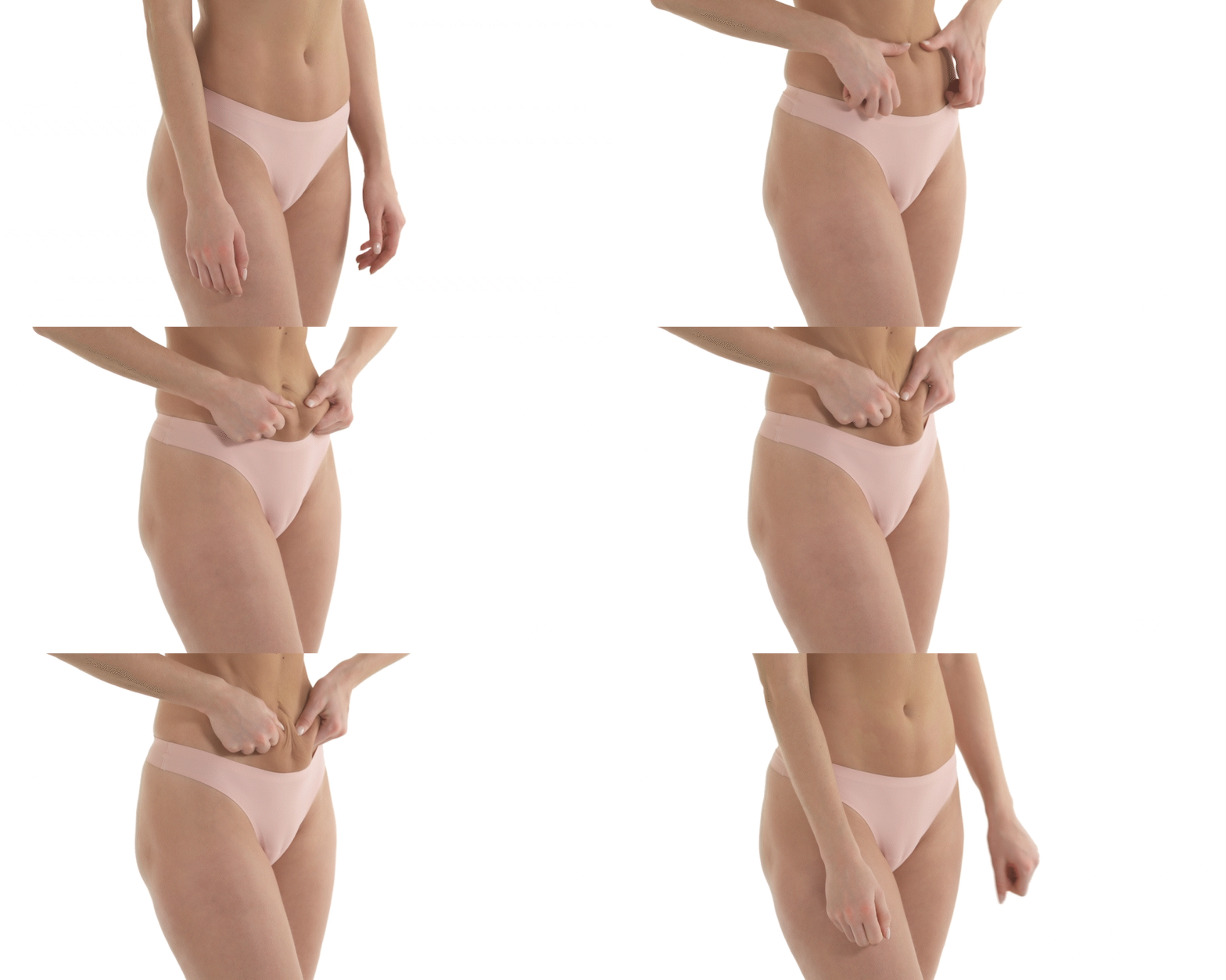
Slim and firm female body
Reduce loose skin, stretch marks and cellulite

Loose skin can take on different forms – it could appear as reams of excess overhanging skin, or it could appear as crepe-like folds on the surface of the skin. It can even be a combination of both

A proper assessment by an experienced liposuction practitioner is often useful in determining whether loose skin will pose a problem after the procedure.

Treatments to Reduce Loose Skin After Liposuction

Here are some effective treatments to minimize or improve the appearance of loose skin and stretch marks post-liposuction:

Tummy tuck (abdominoplasty):

A particularly useful method to treat an abdomen where reams of excess skin might be expected after liposuction. A similar treatment is available for other areas like the thighs and the arms. We do not perform this surgery at our clinic, but we would be happy to refer you to someone competent if needed.

Minimally Invasive Skin-tightening Treatments:

in milder cases where loose skin is not in reams but presents more like crepey skin  and stretch marks after liposuction, then treatments that are less invasive than a tummy tuck will suffice. Examples of these minimally invasive treatments that are designed to reduce loose skin after liposuction include Bodytite and Renuvion.

Skin Tightening Treatments During Liposuction

Instead of of weeks or months after the procedure, some skin tightening treatments are conducted within the same surgery as the liposuction when the patient is sedated or under general anaesthesia.

These are additional treatments during the liposuction where the surgeon will insert probes through the incisions to deliver energy to contract the skin.

Here are three different kinds of effective skin-tightening treatments during liposuction:

Vaser Liposuction

Power-assisted vaser liposuction uses ultrasound to break down fat deposits and make them easier to remove during liposuction. It also has the added benefit of skin tightening due to the ultrasound’s ability to contract loose skin. But the skin contraction is generally mild. Vaser’s main purpose is to assist in fat deposit removal.

BodyTite

BodyTite device uses heat and radiofrequency energy generated from a cannula that is inserted through the incisions to tighten and smooth out the saggy skin tissues. The device comes in different sized probe that allow for treatment from very delicate areas like the eye bags down to large areas like the thighs.

Renuvion

Renuvion uses helium plasma and Radio Frequency (RF), known as J plasma, to tighten skin during liposuction. J plasma is generated by the device, which activates helium to target the fibrous bands that exist beneath the skin (fibrous septae) and contract them in the process. This is carried out by moving a probe under the skin after liposuction.

Disclaimer: the above-mentioned treatments are all FDA and HSA-approved devices for skin tightening that Dr David Loh uses. There may be other devices available on the market that we are not aware of, and hence not mentioned in this editorial piece. And they could prove to be better than what you’re currently reading. Do take note that this is not the final authority on skin tightening following liposuction.

Ultrasonic Liposuction, Radiofrequency Assisted Lipolysis, and Plasma Skin Tightening are forms of minimally invasive skin tightening procedures offered by Dr. David Loh in Singapore. The common names are Vaser, Bodytite, and Renuvion, respectively. They target and reduce loose skin and stretch marks on the face, neck and large body areas such as underarms, stomach or thighs.

Skin Tightening Add-on Procedures During Liposuction

Before the actual liposuction procedure, the BodyTite device can be used to improve the appearance of loose skin.

The device works by delivering radiofrequency (RF) energy to the skin through a probe that is inserted under the skin after injecting it with a solution containing anaesthesia (tumescent solution filtration). The RF energy targets the fibrous band (fibrous septae) beneath the skin and causes them to contract and smoothen, improving the appearance of loose skin. BodyTite is good for treating mild to moderate degrees of loose skin and stretch marks.

Plasma Skin Tightening, administered through a medical device called Renuvion, is a form of minimally invasive skin tightening procedure offered by Dr. David Loh in Singapore. This innovative technology selectively contracts the fibrous band (fibrous septae) under your skin, resulting in a noticeable improvement in the appearance of your skin.

Both BodyTite and Renuvion can be used as a complementary treatment coupled with liposuction or as a standalone treatment without liposuction to tighten loose skin.

These treatments contract collagen tissues using either helium plasma and radio-frequency (RF). These are tried and tested technologies that have been used for many years. The skin tightening effects continue for weeks and months after a single treatment.

How BodyTite and Renuvion Tightens Loose Skin During Liposuction

Here’s what to expect during the a Renuvion or BodyTite procedure:

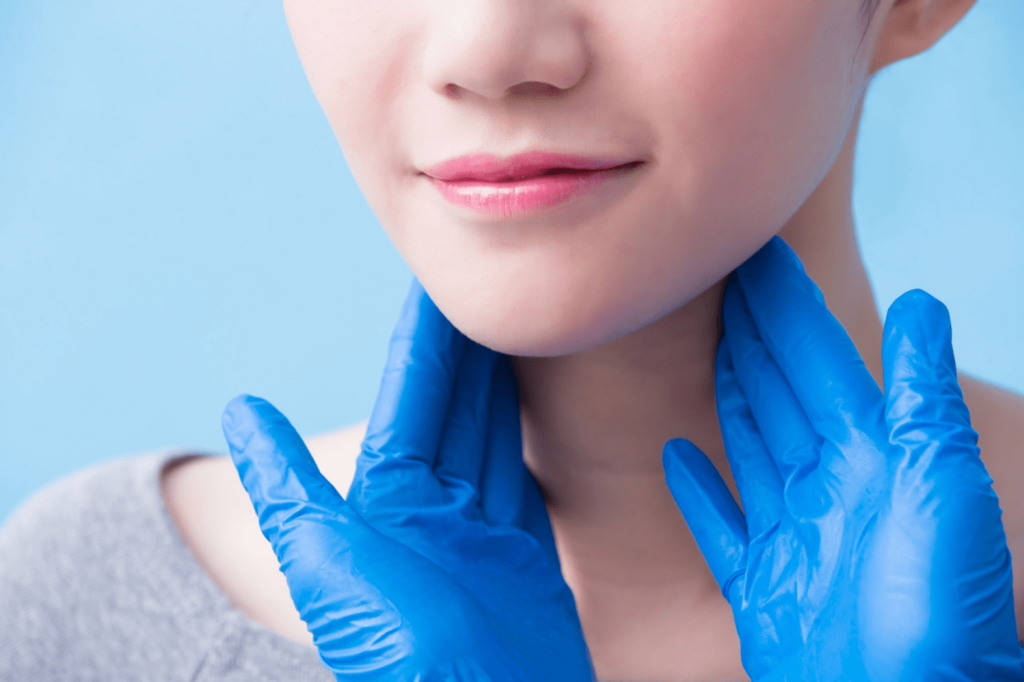
Examining patient's neck for loose skin

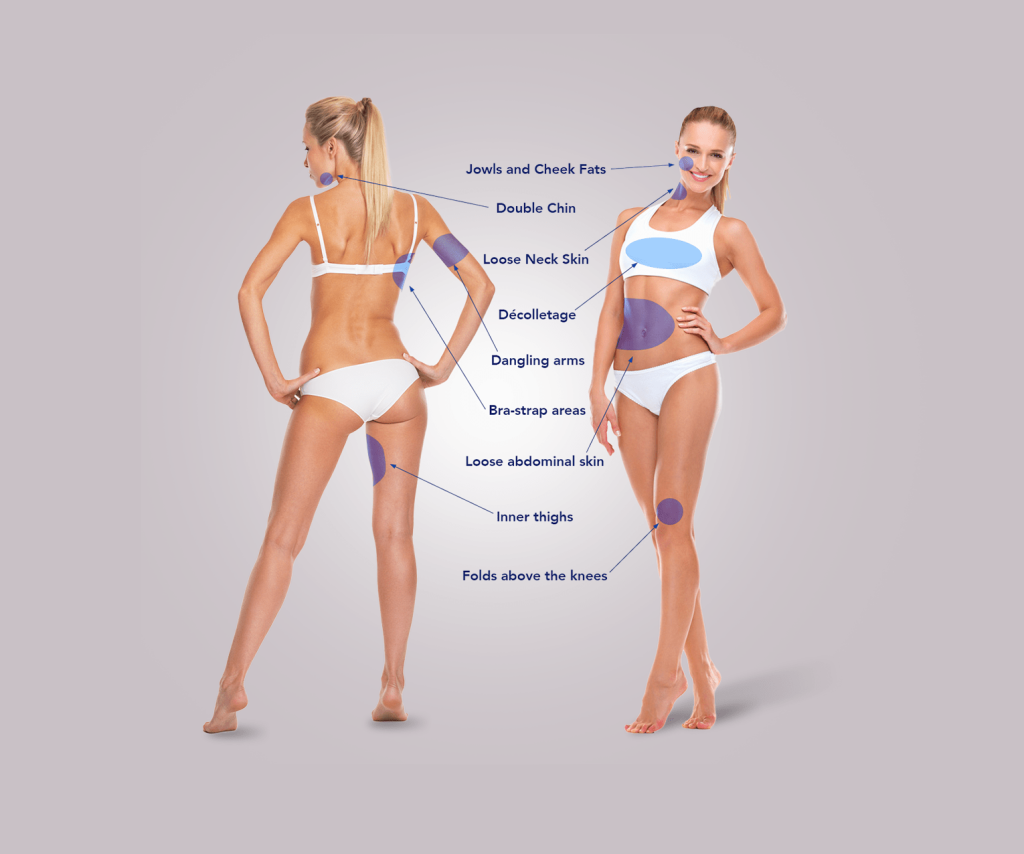
Renuvion and BodyTite Treatment Areas

Loose, saggy and wrinkled skin can appear on the face, neck and body due to collagen or muscle loss due to aging, weight loss, UV damage or smoking.

As we age, the body produces less collagen and elastin in the skin. The skin loses its elasticity over time, becoming less able to bounce back after stretching. It loses the support structure that keeps the skin firm.

When a large amount of weight is lost quickly, such as through a clash diet, post-pregnancy, or liposuction, the fatty layer beneath the skin might not have enough time to recover before the new shape becomes set, resulting in stretch marks.

Smoking and excessive exposure to the sun can cause premature ageing. The skin’s structure is damaged, causing cells to die, which affects collagen and elastin production. Skin problems such as deep wrinkles, creases, hyperpigmentation and sagging will then occur.

Radiofrequency (BodyTite) or Plasma (Renuvion) Skin Tightening helps the skin generate and rebuild its own collagen, effectively treating skin issues caused by the factors above.

Under the hands of a trained, qualified aesthetic surgeon, treatments can be precisely targeted in these areas:

  • Sagging jawline and chin
  • Loose skin on the neck
  • Severe wrinkles on the face
  • Butterfly arms
  • Mid or lower back/Bra-line fats
  • Sagging side chest
  • Loose abdominal fats
  • Flanks/Love handles
  • Flabby thighs
  • Sagging buttocks

Ultrasonic (Vaser) Liposuction, Radiofrequency Assisted Lipolysis (BodyTite), and Plasma Skin Tightening (Renuvions) are forms of minimally invasive skin tightening procedures offered by Dr. David Loh in Singapore. They target and reduce loose skin and stretch marks on the face, neck and body.

Frequently Asked Question on BodyTite and Renuvion

How many treatment sessions are needed?

Visible results to tighten loose skin and stretch marks can be seen after a single treatment of either BodyTite or Renuvion. Your skin will continue to regenerate collagen and improve in the next few weeks up to 6 months.

Patients with significant skin sagging, volume loss, or poor skin quality might need to repeat the treatment after six months to achieve desired effects.

How long is the procedure?

Depending on the size of the treatment area, the duration of treatment can range from 20 minutes for the neck to 1 hour for larger body areas such as underarms.

Who can perform Radiofrequency (BodyTite) or Plasma (Renuvion) Skin Tightening?

The procedure must be performed by a certified, trained medical physician with a licensed clinic in Singapore. But best go to a clinic specializing in liposuction, fat grafting type of procedure. It cannot be performed in spas or beauty salons by nurses or therapists.

How safe is Radiofrequency or Plasma Skin Tightening?

Radiofrequency (BodyTite) or Plasma (Renuvion) Skin Tightening are less invasive than tummy tuck (abdominoplasties). Probes are inserted through liposuction incisions to heat up the skin to the optimal temperature for sufficient time to produce results and cool quickly, and there are built-in safety mechanisms to prevent overheating.

CONTACT US

Speak with us at (+65) 6733 5300

WhatsApp us (+65) 9153 1503

Read More
fillers_by_dr_david_loh

Everything you need to know about Dermal Fillers in Singapore – With David Loh

DR DAVID LOH

dr_david_loh
Dr David Loh is the immediate past president of the Society of Aesthetic Medicine in Singapore, having published on his filler injection techniques. His publications on the management of filler complications is often cited in scientific journals.


Growing old gracefully has taken on a new meaning in the last few years.

In the past, it referred to growing old “without any work” done. These days, with plastic surgery so pervasive, growing old gracefully means growing old with “only minimal work” done. And B*tox and Fillers are as minimal as it gets in aesthetics. Let’s talk about dermal fillers in this blog, shall we?

facial_filler_faqs


Frequently Asked Question on Dermal Fillers

What areas are best treated with dermal fillers?

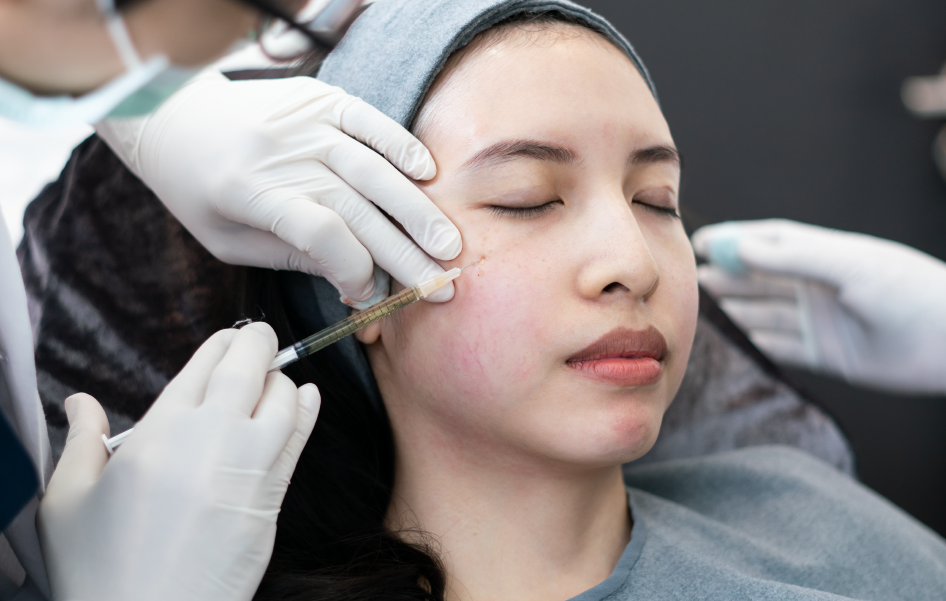
All areas on the face, from the forehead down to the chin can be safely and effectively treated with dermal fillers. Here are the more common areas that are treated.

  • Forehead augmentation and projection can contour the forehead;
  • Nose, lips and chin augmentation bring out the beauty in the central facial features;
  • Cheek and under-eye augmentation support the skin over the cheeks. This decreases the appearance of the under-eye hollows, the nasolabial folds and the jowls;
  • The temples and lateral cheek augmentation creates a natural lifting of the face.

At David Loh Surgery, we excel in the art of dermal filler injections having published our special injection technique (The DL Lift) as an instructional guide for doctors in PRIME, International Journal of Aesthetic and Anti-Ageing Medicine in 2018.


What are the prices for dermal fillers like?

The price for dermal fillers costs $800 per syringe of 1ml. Check out our price list

  • Treatments like the nose and lips often require only 1ml.
  • Treatments like forehead, cheek and chin augmentation require 2-3mls per area, but they do not need to be done all in one go on the same day.
  • Then there are treatments like The DL Lift (our treatment named after Dr David Loh) may require 4-5mls of fillers each time. The DL Lift is also sometimes called a Liquid Facelift
  • Skin hydration boosters also cost $1000 per syringe of 1ml. To hydrate the under-eye skin, the skin over the cheeks including the nasolabial folds, and around the lips, patients will need 2-3mls of skin hydration boosters.

WhatsApp +65 8878 8045 , call us +65 6733 5300, or send us an email here.

Are filler injections painful?

All of the reputable brands of modern fillers contain an anaesthetic called lidocaine which takes away the discomfort of filler injections. You shouldn’t settle for less.

The only sensation you will feel is the tiny needle entering the skin, and the sensation of movement (not pain) when the cannula is moved under the skin.

Are fillers injection results immediate?

Yes, the results are immediate and “what-you-see-is-what-you-get”. Plus minus 10%-20% perhaps because of slight initial swelling. In fact most of the time, the results are natural enough and the patients are presentable enough to go out and meet friends immediately after a treatment. This actually gave rise to the term “lunchtime facelifts”.

Is there any recovery time (downtime) when getting filler injections?

The chances of getting a tiny bruise with filler injections is about 10%-30% depending on which areas are being treated. Also with multiple areas of treatment, there is also a higher chance of getting at least one bruise.

No doctor can guarantee bruise-free injections; after all needles and cannulas are involved in the process of filler injections. If a bruise occurs, it will need to run its natural course taking a 7-10 days to slowly disappear. Most of the time bruises are tiny and can be easily covered with a bit of makeup.

Besides bruising, which of course causes some swelling, there is often some swelling which unrelated to the bruises. This is a natural process in filler injections. This post injection swelling usually takes 3-7 days to subside.

WhatsApp +65 8878 8045 , call us +65 6733 5300, or send us an email here.


How safe are filler injections?

preperation_facial_filler

Filler injections are only as safe your doctor’s knowledge of the anatomy of the face. So don’t settle for non-medically trained injectors like beauticians. In fact, best to approach doctors that do filler injections frequently than those who do not.

With proper training and experience, filler injections are generally very safe.

Our doctors are trainers for other doctors. Dr David Loh has published in medical literature on the prevention and management of filler complications. One of the papers have been awarded a Best Paper (Gold) Award by the Plastic and Reconstructive Journal (PRS Global Open) in 2019.

The other aspect about safety with regard to dermal fillers is the filler material itself. As a filler material, hyaluronic acid fillers have been safely used on millions of patients since the 1990s. Without mentioning brands here, we are of the opinion that only biodegradable non-permanent fillers are safe. This is because they do not hang around long enough to cause granulomas or infections. And as the face changes, as it inevitably will over the years, fillers can be topped up to suit the changes associated with aging.

WhatsApp +65 8878 8045 , call us +65 6733 5300, or send us an email here.


About David Loh Aesthetics

Dr David Loh is one of the first trainers and mentors in aesthetic medicine in Singapore. He developed and published in medical literature his filler injection techniques as instructional pieces for other doctors. He also published in medical literature his works on the prevention and management of filler complications.

WhatsApp +65 8878 8045 , call us +65 6733 5300, or send us an email here.


What is the “overfilled syndrome”?

The “overfilled syndrome” is an unfortunate term coined by some doctors with the intention to disparage the work of other doctors. These doctors bring up isolated incidents of overfilled media celebrities to discourage patients from have filler injections. Perhaps these doctors are themselves not skilful enough nor experienced in filler injection, hence they try to divert clientele to the non-injection treatments. As a patient-consumer, you should be able to discern this kind of marketing tactics.

What you need to know is that you would need an incredible amount of filler material (maybe >20 syringes) to reach the kind of caricatured appearance of some of these celebrities. The so called “overfilled syndromes.” These celebrities can afford it but most patients would not be able to, and most conscientious doctors would hold back the patients before they even reach that kind of look.

The fact of the matter is that most patients with early signs of aging actually would benefit a great deal from filler injections into the fat compartments that have begun to shrink. This not only reverses the early signs of aging, but it can even prevent sagging.

Overfilled syndrome can easily be avoided as long as there is clear communication between doctor and patient. Clear goals and expectations are aligned prior to the procedure, and the  doctor has restraint in his or her approach, with  the  aim of creating a natural result while resolving the  concerns of facial aging such as sagging and volume loss.

WhatsApp +65 8878 8045 , call us +65 6733 5300, or send us an email here.


The Only Way is Up

Improving Appearance is what we do everyday. Not making our patients look like someone else, but making them more confident through the art of the DL Lift and other techniques of filler injections. Bring out their best features and still being themselves. This is the essence of Enhancing Confidence.


WhatsApp +65 8878 8045 , call us +65 6733 5300, or send us an email here.

Read More
sofwave

How does Intense Beam Ultrasound compare with Microfocused Ultrasound?

Among the devices that tighten skin through neocollagenesis, let’s do a pedigree-to-pedigree comparison of Intense Beam and Microfocused Ultrasound. Both work on the principle of High Frequency Focused Ultrasound (HIFU). Both produce skin changes with a single treatment that continues to improve for months.

Notice we have left out the copycat HIFUs a plenty.

Comparison between Intense Beam and Microfocused Ultrasound

 Intense BeamMicrofocused
Other HIFUYesYes
Thermal Zone (the trigger neocollagenesis)Longitudinal with uniform oval shaped cross-section

Tear drop shaped with upper part near the epidermis

Treatment depthFixed, for comfort and optimal results

Offers 3 treatment depths for tightening the SMAS, and in some cases, facial sculpting as an off-label indication.

ComfortTypically does not require topical anesthesia.

Needs topical anesthesia for a full-face treatment.

sofwave


What is the prices for the Intense Beam and Microfocused Ultrasound treatment?

Treatments are priced at $3800 for the full face and upper neck areas. In fact it is the same with a branded RF skin tightening treatment that we also have.

How long does each treatment last?

The collagen that is produced after each Intense Beam and Microfocused Ultrasound treatment is your own. It will not degrade like a dermal filler. But we all age a bit every year. So, it would be good as a preventive treatment to repeat the treatments every year.


Read More
profhilo

What You Need To Know About Skin Hydration Booster Treatments

To replenish our skin’s hyaluronic acid content, we now have the option of Skin Boosters treatments. Here’s what you need to know. Our skin contains a lot of hyaluronic acid which is a crucial element in proper functioning of our skin cells. Hyaluronic acid, the essential bond between skin cells, gets depleted as we age. As a result, our cells do not turn over as quickly as they used to.

Aside from that, hyaluronic acid also contributes to our skin’s overall barrier function and helps our skin to retain moisture effectively. As a result, our skin loses its youthful elasticity and radiance.

What is a Skin Booster treatment?

Skin Boosters are popular treatments to achieve radiant and youthful-looking skin. The treatment involves injection of a specially formulated and highly purified hyaluronic acid gel into the skin. This then brings about radiance and glow unlike what other treatments can achieve. It improves skin moisture retention which translates to less fine lines and smaller pore size, and a generally better skin texture. All this after 1-2 weeks of a single injection session. It also reduces skin laxity in the longer term.

profhilo_intense_hydration

How does the Skin Booster treatment work? What is the procedure like?

After the initial consultation, the doctor will locate your 5 bio-aesthetic points (BAP) on each side of the face and neck. Then, using a fine needle, the Skin Booster will be injected under the surface of the skin. These injectable points are strategically placed to minimize bruising and discomfort and to yield optimal results. Each treatment only takes about 5 minutes.

Besides the intense hydration effects of the hyaluronic acid, it also treats skin laxity by bio-stimulating the skin’s production of elastin and collagen. The treatment is used to reduce the appearance of sagging skin, fine lines and wrinkles on the face, neck, chest and even hands.

Overall, the results are noticeable within 2 weeks after the first treatment. Dr. David Loh, medical director of David Loh Surgery generally advises patients to follow up with a second session after a month. After treatment, the results can last anywhere between 8 to 9 months.

What are the key benefits of a Skin Booster treatment?

Firstly, because of the high concentration of hyaluronic acid, Skin Booster is an effective treatment for boosting overall hydration levels and stimulating collagen production.

Secondly, Skin Booster brings about bio-stimulation of elastin and collagen in the skin, resulting in a tighter, firmer and more radiant appearance.

Thirdly, it also accelerates tissue repair which is instrumental in the treatment of acne breakouts and scars.

On top of it all, this treatment is quick and involves minimal downtime and discomfort.

How is Profhilo different from dermal fillers, Rejuran and skin boosters like Volite?

These are the various brands of skin hydration boosting injections. Unlike dermal fillers, Profhilo does not restore volume to the skin. Instead, it delivers an intense surge of hydration to restore radiance and vitality to the skin.

Compared with skin boosters, Profhilo differs in the way it is delivered to the skin. While Profhilo involves 5 injection points per side, skin boosters requires multiple small injections in one localized area.

Although Profhilo’s main ingredient (hyaluronic acid) is similar to that of skin boosters and fillers, the biotechnological and chemical structures differ significantly from skin boosters or fillers. In fact, the concentration of hyaluronic acid in Profhilo is five times more than the average skin booster. Additionally, its binding technology also ensures that there are less impurities in its formulation than that of traditional dermal fillers. So what this means is Profhilo is safer with a lower risk of lumpiness and other unwanted side effects.

As for Rejuran, that is a product based on Salmon testicular DNA extracts. You decide if you want to that.

david_loh_profhilo


Frequently asked questions about Profhilo

1. Who is eligible for Profhilo treatment?

Pretty much everyone will benefit from the treatment. However, it works particularly well for individuals with signs of ageing skin and who are looking to hydrate, tighten and improve the quality of their skin. It is also very effective for mild to moderate cases of skin laxity and rhytids (a fancy term for wrinkles or fine lines).

2. What is the downtime after Profhilo injections? Are there any side effects?

Recovery time is remarkably short. There are hardly any visible side effects except small “bumps” which will normally subside after a day or so. Patients can usually resume their normal activities immediately after the procedure. Since Profhilo is bio-compatible with your body, your body will be able to metabolize the hyaluronic acid injectable over time.

3. Can I combine Profhilo with other aesthetic treatments?

Yes, it can be safely and synergistically combined with many other aesthetic treatments such as fillers and even lasers. However, it is always advisable to consult your doctor regarding the treatment sequence for optimal results.

Related Topics

Read more about Skin Tightening Treatments

Read more about Skin Boosters

Read more 5 things to know about Nanofat Grafting

Clinical Study on Efficacy and Tolerability of Profhilo

Enhancing Confidence is what we do

Through small improvements in your appearance, we Enhance Confidence for thousands of patients since 2002.


Read More
everything_about_liposuction

Everything you need to know about Liposuction in Singapore
What is liposuction?

Liposuction is the surgical procedure of removing fat cells from the body. Fat deposits are extracted through a tiny hole in the skin and using a thin cannula. The objective being to shape and contour the treated area.

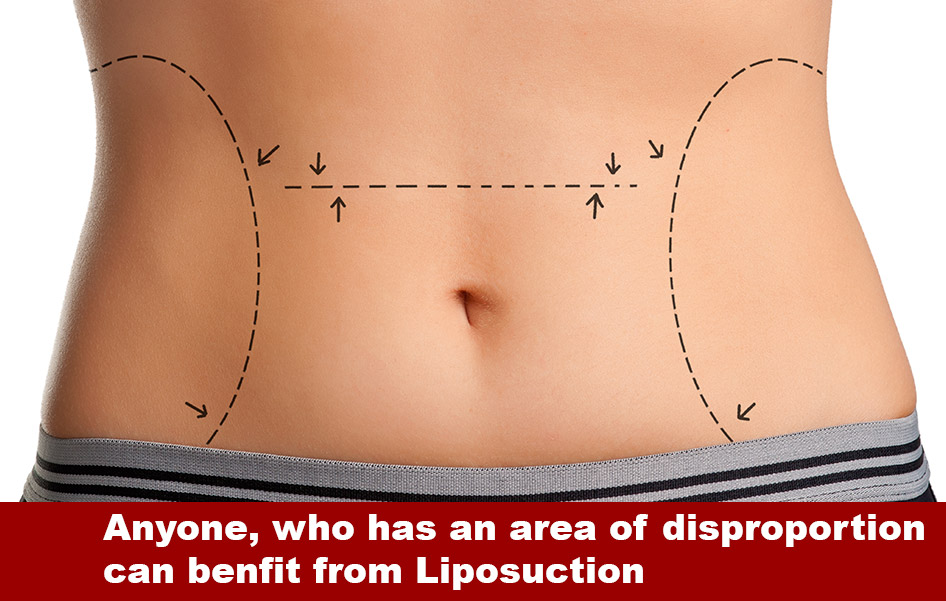
As a treatment, liposuction is particularly useful to sculpt areas on the body or the face that are disproportionate. Areas like the saddlebags, the love handles or belly that are not in sync with the rest of the body shape can be treated with liposuction. The aim is so that the body’s curves to flow better and achieve better harmony with the rest of the body.

Vaser Liposuction, Vaser HD, Smartlipo and traditional liposuction are various forms of liposuction techniques, each with its own advantages. Which we will discuss below.

Liposuction itself cannot fully remove cellulite from under the skin nor is it a solution for weight loss or obesity.

Who is suitable for Liposuction?

liposuction_procedure

Anyone who has an area that is out of proportion with the rest of the body can benefit from liposuction. Stubborn fats as they are commonly called, as areas that will not “move” no matter how much exercising and diet one undergoes. These areas can be effectively removed by liposuction.

It is a misconception that only slim fit individuals can benefit from liposuction. Even somewhat obese individuals, as long as there are areas of disproportion, can benefit too.

However, not to be mistaken, liposuction does not help with weight loss or obesity perse. It only sculpts and contours specific areas. Obese individuals will still have to work at it from dieting and exercising in order to achieve not only a better figure, but better general health.

Some patients who are generally obese may actually benefit from some advice from dieticians and exercise physicians. There are medications nowadays that can very effectively bring about weight reduction without many of the side effects with the older slimming pills. Wegovy or Zepbound, various types of peptide called GLP1, are examples. And if medications fail, there is the option of a bariatric surgeon referral for Ellipse balloon or sleeve gastrectomy.

However if liposuction is clinically indicated, the patient needs to be healthy enough for the surgery. And they generally are, because for patients who have chronic illnesses like heart problems or chronic diabetes, liposuction would be the last thing on their minds. The patient group that presents for liposuction is “self-selecting” in a sense. However, most liposuction practitioners would watch out for such chronic illnesses.

WhatsApp +65 9153 1503 , call us +65 6733 5300, or sending us an email here.

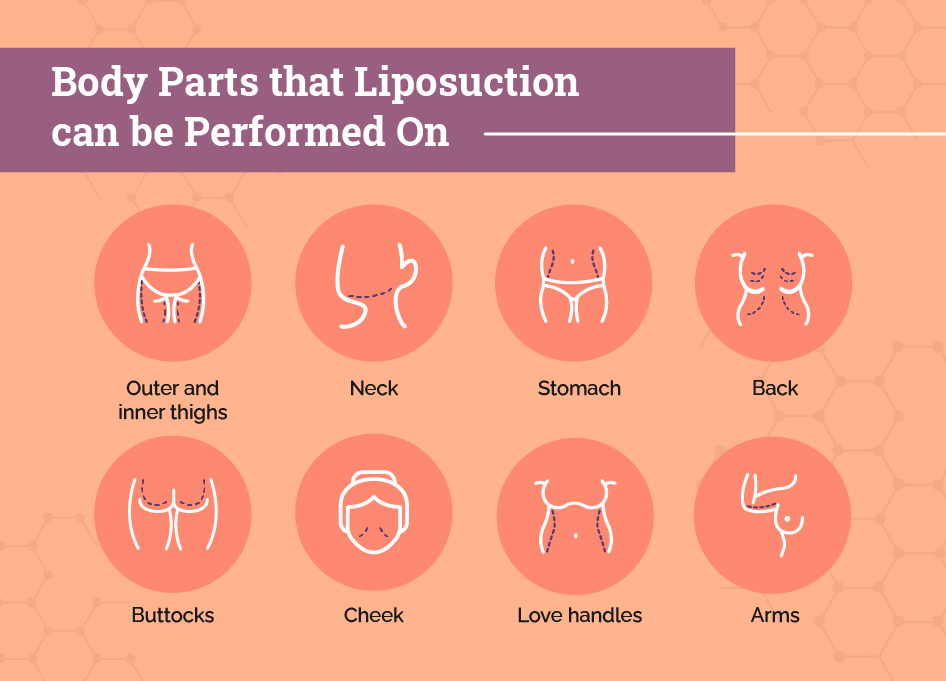
Which body parts can you do liposuction on?

The saddlebags (outer thighs in some women), the love handles (the lower flanks which sometimes called muffin tops) and the belly are common areas for liposuction. But almost anywhere, from face down to ankle can be contoured using liposuction methods. Skin elasticity is an important consideration.

With good skin elasticity, your skin will contour nicely to your new body shape after the procedure.

Will I have Loose Skin After Liposuction?

Talking about Skin Elasticity, there are several methods which can tighten potentially loose skin during a liposuction procedure. These are added steps during the liposuction procedure. Energy in the form of plasma (Renuvion) from activated helium, or heat from radiofrequency (BodyTite), are delivered through the liposuction incisions to tighten the overlying skin. These technologies have built-in safety mechanisms to avoid overheating or injuring the skin they are supposed to tighten. These skin tightening  procedures are useful in areas where loose skin commonly occurs, like in the belly, the underside of the arms and the inner thighs. Read more about these added steps to prevent loose skin after Liposuction. And also about a mildly invasive treatment like Facetite that tightens and sculpts the skin of the lower face and neck, either with or without liposuction.

WhatsApp +65 9153 1503 , call us +65 6733 5300, or sending us an email here.

How much weight can I lose with liposuction?

If you’re looking at liposuction to lose weight, you’re looking in the wrong direction.

With large-area liposuction, you generally lose up to 1-2 kg of weight at a maximum. A more realistic expectation from liposuction is that you can get a particular part of your body sculpted so that the body’s curve flow in better harmony. And then you should be more motivated to gym or workout to improve on your figure.

Motivation is very important for the long haul. Maintaining your weight within a stable band (less than 5% fluctuation) is very important to prevent fat redistribution. Particularly after large area liposuction, the body will have a natural tendency to deposit the fat into another area. This redistribution can be anywhere including in the visceral fat deposits.

Fat redistribution will not occur if you do not, over the years, put on a lot of weight after liposuction.

What can I expect when I go for liposuction?

Depending on the area to be treated the liposuction procedure can vary from a 10-minute minor-procedure done in the clinic under local anaesthesia, to a 2-hour procedure in day surgery performed under sedation by an anaesthetist.  Here’s what you can expect.

The Liposuction Consultation

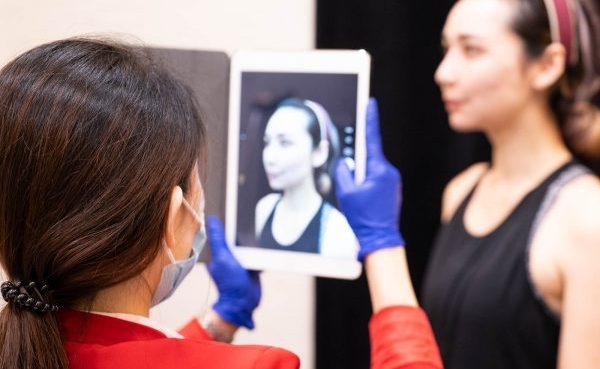
A consultation is important determine if you are suitable for the procedure or not. Obvious contraindications like health conditions aside, there are important considerations that need to be discussed.

One important consideration is the quality of the skin over the area to be treatment. Most surgeons can accurately estimate if there would or would not be any loose skin following a debulking procedure like liposuction. And sometimes, the trick may be to debulk less to avoid loose skin. All this may be discussed with the patient.

Another consideration is the extent of the procedure. In other words how many areas we can safely include in one session. Even if performed under sedation or general anaesthesia, the liposuction area needs to be pre-infused with a tumescent solution to reduce bleeding during suction. And there is a safety limit to how much tumescent solution can be infused in a session of liposuction. Most surgeon will be able to combine one large area like the abdomen or thighs with another small area like the arms in one session of liposuction.

And then everything else from the recovery process to what can realistically be expected after liposuction should also be discussed with the patient.

The Liposuction procedure itself

The first step in a liposuction procedure is the infusion of tumescent solution, which acts as an anaesthetic as well as reduces bleeding during liposuction. Depending on the type of liposuction used, some form of energy may be applied to loosen up the fat deposits. This may be in the form of high frequency ultrasound energy in Vaser assisted liposuction, vibrations in Microaire or water pressure in water-jet liposuction. However, very often the fat is soft and loose enough to be sucked out without the added step of “power-assisted” liposuction.

And then suction of the fat. The surgeon will determine the point at when the intended sculpting and contouring is achieved.

Patients will rest in the recovery area of the day surgery until the effects of the sedation are wearing off. Meanwhile, nurses help the patient put on the compression garment.

Patients then go home to rest.

WhatsApp +65 9153 1503 , call us +65 6733 5300, or sending us an email here.

Liposuction recovery

There are of course individual variations, but generally recovery is a breeze after liposuction. Swelling and bruising is to be expected, but they are not debilitating. Most patients are mobile and active the very next day after the liposuction.

The swelling starts at around the second day progressively getting worse peaking at the 4th-5th day post op. This is where the compression garment comes in very handy to reign in the swelling and provide maximum comfort. After the 5th day, the swelling should be on the way down naturally and the compression garment becomes quite optional after the second week.

Some residual swelling may persist for up to a few months.

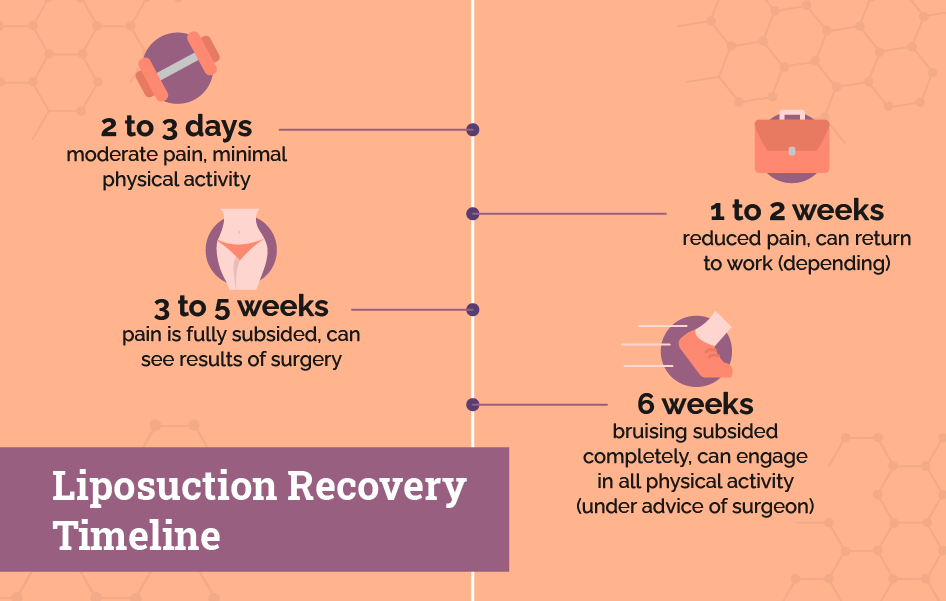
Recovery timeline

For 2 to 5 days after surgery, and when the swelling is on its way up, you might experience some discomfort and soreness. This is where the compression garment is most needed. In fact it is a total misconception that the compression garment will change the final outcome. It doesn’t. But it sure does reduce the discomfort in the first few days after liposuction. Some surgeons might insert drains to remove fluid and blood accumulations from the treated areas. In which case you may have to limit your movements in case the drains slip off. But otherwise you can go about most light activities as normal. Like perhaps going to the supermarket or driving your kids to school, you should not have any problems.

In 1 to 2 weeks, the pain usually the swelling should be on the way down and every day that passes, it gets more and more comfortable. Compression garment can still be worn, but it gets pretty optional by now. Some clinics that specialize in liposuction may even offer RF treatments to hasten the resolution of swelling. If your job is physically demanding, take more time off to recover.

By weeks 2 to 4, the compression garment is pretty optional by now and most patients can consider some serious exercising. But always listen to your body. Don’t push if the is pain or discomfort. The healing process differs naturally, from person to person.

Finally, in about the 6th week after surgery, bruising should have subsided completely, though you may still experience slight swelling. You could say that you are just about being “bikini-ready” here at one month onwards.

WhatsApp +65 9153 1503 , call us +65 6733 5300, or sending us an email here.

Liposuction risks

The liposuction procedure has evolved over the years to become a very safe and predictable. Mitigating all the risks is the task of a well trained and experienced practitioner of liposuction. Teamwork (anaesthetists and technicians) are crucial for a good outcome. Instruments and all the devices involved in the surgery have been repeated refined over the years to bring about an even higher level of safety. 

But as with any surgery, liposuction procedures come with certain risks and potential complications. Some possible side-effects and complications involved in liposuction surgery are:

  • Anaesthesia risks – make sure is deeper sedation is administered, an anaesthetist is present to monitor and administer the sedation. 
  • Irregular skin contours or pigmentation – if fat is removed unevenly, the skin has poor elasticity, or the cannula causes damage to the area beneath your skin, your skin may permanently appear bumpy or irregular. Prevention is still best and it comes with experience not to push too far in removing too much fat. 
  • Fluid accumulation – Lymphedema happens when lymphatic fluids may accumulate under the skin from localised disruption of lymphatic flow. This is usually self limiting. 
  • Numbness – temporary or permanent changes to skin sensation may occur due to neuropraxia of the nerves in the areas treated. Modern methods and tools generally do not cause this.
  • Damage to internal structures – Accidental puncture the internal organs have happened before albeit very rarely. As well as damage to the blood vessels, nerves or muscles. The tools are designed not to damage internal structures by default. A good amount of tactile feedback to the hand of the surgeon actually mitigates to a large extent.
  • Infection – skin infection may sometimes occur. 
  • Poor recovery – persistent swelling or poor wound healing may occur

Liposuction surgeries have a total of approximately 5% complication rate, with most complications being minor. Speak to your surgeon to understand more about such preventable risks. 

WhatsApp +65 9153 1503 , call us +65 6733 5300, or sending us an email here.

How much does it cost to do liposuction in Singapore?

There are various components to the cost of liposuction. There is the surgeon’s fees, the anaesthetist fees, the rental charges for the day-surgery operating theatre, the compression garment, the discharge medications like antibiotics and analgesics, and the follow-ups.

If there is fat grafting, then there is also the consumable costs for separating out the nano-fat and structural fat. Your surgeon may charge you a fixed surgeon’s fee and then leave the other components variable. Some practices specializing in liposuction may charge a flat fee for the whole procedure, no matter how much operating theatre time is needed. The latter, ie. flat fee, is more common in Singapore.

In Singapore, small area liposuction of a single area ranges from $4,000 to $8,000, and multiple area liposuction can range from $8,000 to $30,000. All in. Here at David Loh Surgery, an aesthetic clinic in Singapore, we tend to charge the lower end of the range of liposuction costs in the country. Here’s our price list on everything including liposuction.

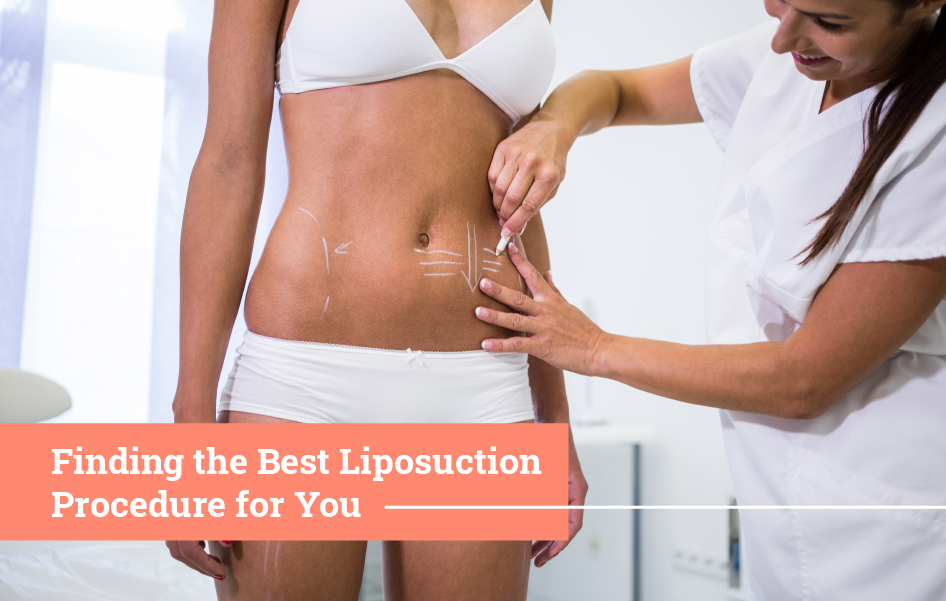
Finding the Right Liposuction Procedure for You

What is VASER Liposuction?

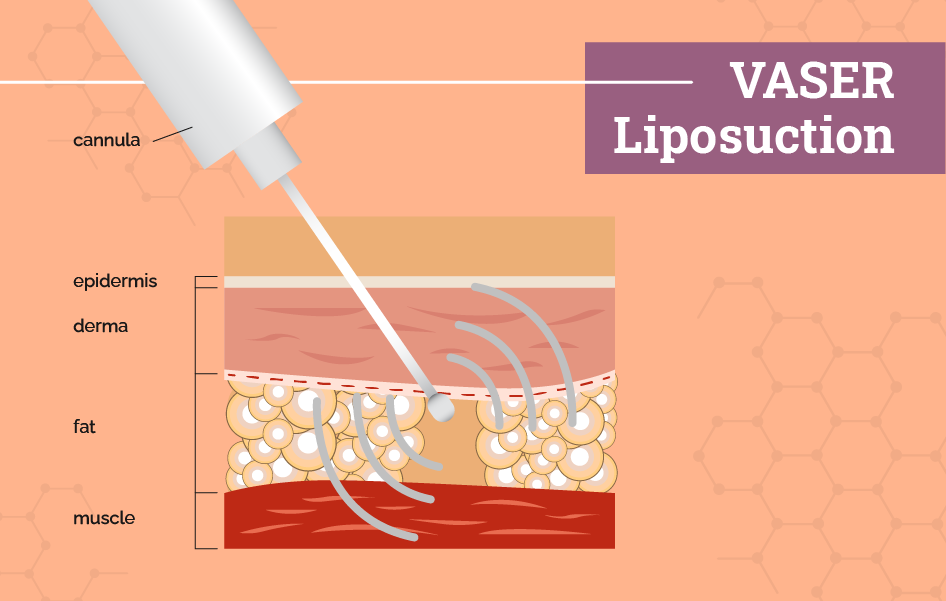
Vaser stands for Vibration Amplification of Sound Energy at Resonance and is a particular form of liposuction that has proven to be popular in the last 16 years.

Vaser Liposuction works by loosening fat deposits using ultrasonic energy so that they can be more easily extracted using the cannula suction. The ultrasound energy is delivered via a probe inserted under the skin. Only fat cells are selectively targeted, to cause them to loosen up. The blood vessels, muscles, connective tissues and other tissues are not affected by the Vaser ultrasound energy.

This fact alone does not make Vaser the best form of liposuction as claimed by many doctors online. Any form of liposuction is only as good as the surgeon’s skill, technique and experience. Some surgeons are world renown in liposuction, but do not use Vaser. They achieve great work with for example only syringe liposuction, or what is also commonly referred to as conventional liposuction. And the converse is also true. Do take note of this.

High definition Vaser Liposelection or Vaser HD is a variation of Vaser Liposuction that works by sculpting fat deposits into muscular shapes. Or else, the fat layer under the skin is thinned out more than usual so that it becomes easier to see the underlying muscle shapes. The cost of undergoing Vaser HD ranges from about S$8,000 – $12,000 at our clinic in Singapore. See our price list.

What is Smart Lipo

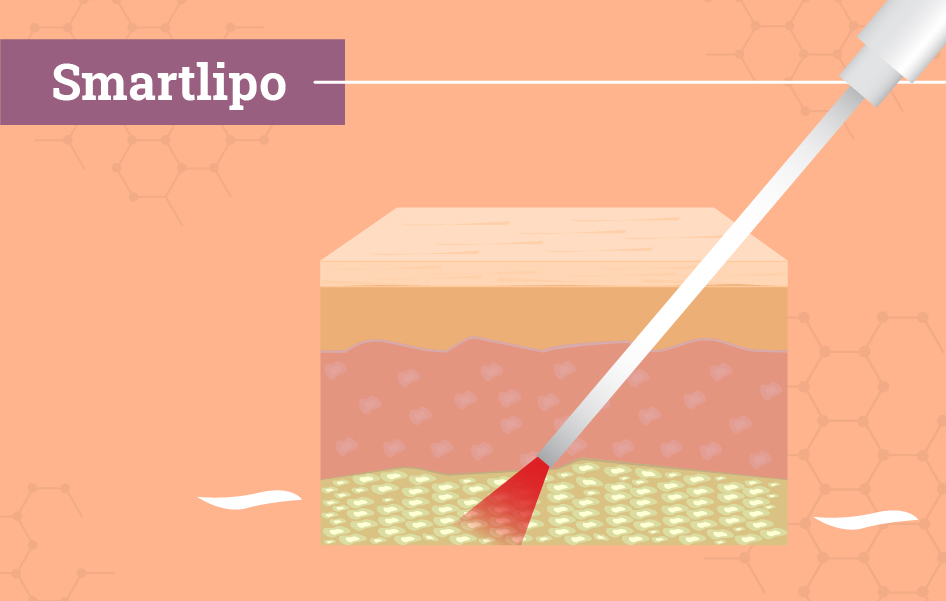
Smartlipo is another liposuction technique commonly used to remove fat from smaller areas like under the chin or cheeks.

A fibre optic laser is inserted into the skin to reach fat layers. The frequency at which the Smartlipo laser is fired disrupts the membranes of the fat cells. The destroyed fat cells are then moped up by macrophages (white blood cells) to be processed in the liver and excreted through your stools. The technique is minimally invasive because it does not require inserting a cannula to vacuum up fat cells – rather the fat cells are cleared naturally through biological processes initiated inside your body.

Difference between Vaser, Smartlipo and “Traditional” Liposuction

The added step between tumescent anaesthesia and suction in Vaser and Smartlipo makes them so called “power-assisted” methods of liposuction. Whereas in traditional liposuction, also known as the conventional liposuction, there isn’t the additional step to loosen up the fat deposits before suction.

Whatever method, they are all invented with the objective of removing fat deposits from under the skin to sculpt and contour areas of the body. And the best method is not in the technology, but the skill and experience of the surgeon.

Traditional Liposuction:

Traditional or conventional liposuction removes fat manually through the cannula without first dispersing fat cells. This procedure breaks up fat cell deposits using repetitive movements and suction pressure to suck out fats through the cannula. The cannula is moved back and forth by the surgeon to break up the fatty layer.

You could say a considerable amount of “elbow grease” is involved. Hence power assisted methods like Vaser or Smartlipo were invented to make life easier for surgeons.

But in actual fact for surgeons who do liposuction often, the act of performing liposuction is like playing a violin in an orchestra, a joy and a sense of achievement, rather than a chore. With or without power-assisted methods.

Vaser Liposuction or Smart Lipo:

This is like comparing apples and oranges. Vaser is very efficient at removing fat from large areas like the abdomen and the thighs. Smartlipo delicately removes fat from very small areas like under the chin, the cheeks and the so-called “bra-strap” fats.

Their indications are quite different, but of course the objective is the same. Being to sculpt and contour a certain part of the body.

Fat grafting

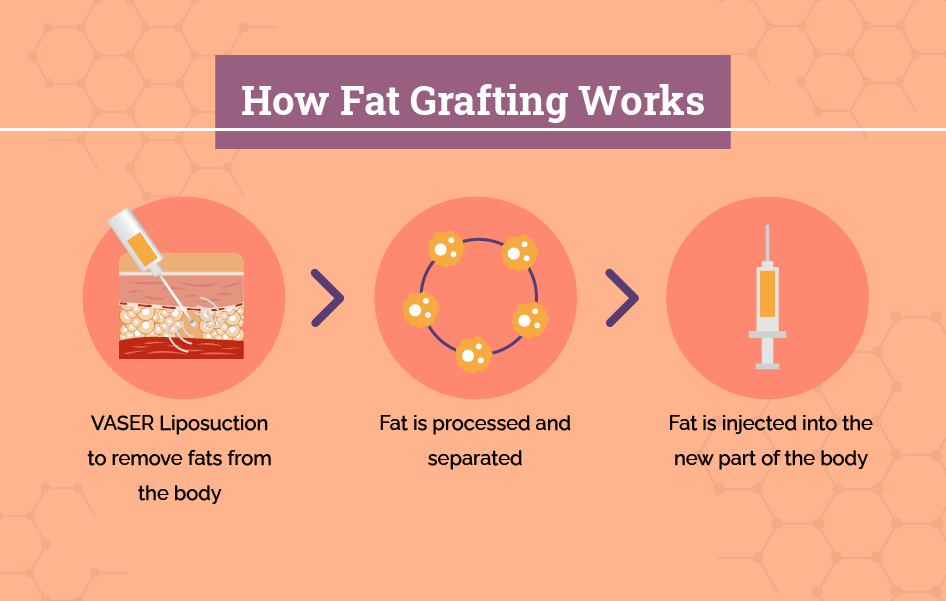
Fat grafting, also known as fat transfer or lipofilling, involves transplanting fat from one part of your body to another part for enhancement or volume replacement. Common areas for augmentation with fat grafting include the cheeks, breasts, buttock, and hands.

what_is_fat_grafting

The benefit of fat grafting over other fillers or implants is that it uses tissue from your own body (autologous fat), which completely avoids the issue of rejection.

What is the fat grafting procedure like?

The first step of fat grafting is a liposuction procedure to harvest fat cells that will be used as the “filler material”. Depending on where the augmentation area is, the amount of fat required would be quite different. It could, for example, be a mini-liposuction of a palm-sized area for fat grafting to the face. Less than 100mls would often be enough. Or it would require a liposuction of a large area like the abdomen or the thighs in the case of fat grafting to the breasts or buttocks.

After the fat is harvested, the fat cells are cleaned and filtered. The filtration process yields various fractions of fat. Some of the larger fat particles are intended for structural augmentation, while the smallest ones are intended for the stem-cell like effects on the skin. These are the stromal vascular fraction (SVF) or the nano-fats.

The fats are then decanted into syringes ready to be re-injected into the various sites where augmentation was intended. The fat grafting procedure is done immediately after filtration. Liposuction-specialised practices do not store the extracted fat for use another day. There are however stem cell banks that can store adipose-derived-stem-cells, or mesenchymal-stem-cells (MSCs) as they are also called, use at a later date. Even up to many years later.

Although there are no clinically approved use for MSC at the moment, there are therapeutic applications on the horizon with promising results for the treatment of diseased organs.

Read more about Mesenchymal Stem Cell banking.

WhatsApp +65 9153 1503 , call us +65 6733 5300, or sending us an email here.

Who is suitable for fat grafting?

First and foremost there must be enough fat to harvest through a liposuction procedure. For fat grafting to the face, this is not so important as a consideration because the amounts needed are not so much. For fat grafting to the breasts or the buttocks, 500mls or more of fat may be needed. And most thin individuals do not have that much spare fat.

If the fat is available, autologous fat (own fat) is a very good filler material for people who wish to enhance their breasts or buttocks, lift their cheeks or perform enhancements to other parts of their body. The nano-fats can also be used to treat wrinkles or scars from previous surgery or injury.

Patients do need to moderate their expectations as to how much of any increase in breast size they can achieve with fat transfers. For significant improvements in breast cup sizes, like C or D cups, breast implants are still the better option. Fat transfer to the breasts can increase perhaps one cup size at most, and is best observed in petite individuals whose starting point is an A cup.

Breast cancer survivors in Singapore who have undergone partial or full mastectomy sometimes choose to undergo the fat grafting procedure to replace volume in their breast. As an adjunct to other treatments like rotational or free flaps.

WhatsApp +65 9153 1503 , call us +65 6733 5300, or sending us an email here.

Keeping well with Liposuction

How can I prepare myself for liposuction?

Take note of some things that you can do to prepare yourself for the liposuction surgery in the days leading up to it:

  • Do not eat or drink anything in the morning of your procedure (after midnight the previous day) to prepare your body for anaesthesia 
  • Do not shave, especially the areas that will be undergoing treatment, to prevent irritations or ingrown hairs that may cause infections
  • Do not apply moisturisers, makeup, sunscreen etc. to your body before you go for surgery because the areas undergoing treatment should be chemical-free. 
  • Wear loose and comfortable clothing to and from the clinic to minimise irritation after the surgery 
  • Arrange for somebody to pick you up or be prepared to call a taxi home after the procedure as you should not drive after being under anaesthesia
  • Stay active and mobile during the recovery period. This will help the swelling dissipate faster.

How do I maintain results after liposuction surgery in the long-run?

Liposuction can do wonders for your body, making you feel good and confident about yourself. However, your body will continue to gain and lose fats based on your exercise, diet and lifestyle – just like it ordinarily would before liposuction. To maintain the results of your newly-shaped body, you have to keep with a healthy diet and lifestyle in the long-term. Feeling good about yourself does not just depend on how your body looks, but how you feel inside too – and staying healthy is one great way to do that!

1. Eat healthy

To first recover well from liposuction surgery, eat foods that are low in sodium and salt, and high in vitamins, antioxidants and other nutrients. Some best foods to take during post-surgery recovery are celery, grapefruits, watermelon and strawberries. Altering your diet, especially in the few months after surgery will boost your body’s immune system and help you to recover better and faster. You should also increase your protein intake to help with muscle and skin recovery.

eat healthy balanced diet recovery for liposuction

Even after you have fully recovered from the liposuction procedure, continue to keep a healthy and balanced diet daily! In Singapore, a healthy diet should include half a plate of fruits and vegetables, a quarter of whole grains such as brown rice or wholemeal bread, and a quarter of meat, seafood, eggs, and low-fat dairy products. Eat more smaller portioned meals rather than a few big meals.

Munching healthy, delicious foods will make a huge difference to your body’s health and help you to maintain the results of liposuction.

2. Exercise Regularly

Adults in Singapore are recommended to engage in moderate-intensity physical activity at least 150 minutes every week. Some simple exercises that you can do in your home are marching in a stationary position, sitting down and standing up from a chair, doing leg raises to the side and back and doing arm stretches.
keep_fit_after_liposuction

Of course, you can adjust the intensity and difficulty of your exercise according to how well you can cope with it. After the surgery, you should limit your physical activity until about week 3 to 5, and under the advice of your surgeon. Once you are given the go-ahead, incorporate exercise into your daily routine!

3. Drink plenty of water

Drinking plenty of water is important to prevent dehydration after your liposuction surgery. Adults in Singapore should drink at least 8 glasses of water a day, but in the post-surgery recovery stage, you should increase this water intake to about 10 to 12 glasses of water a day. When you have fully recovered, continue to properly hydrate yourself. Water helps to boost metabolism, aid digestion and even maintain your energy level throughout the day.

With reasonable expectations about liposuction results in the long-run, you can be happier and healthier after a procedure!

Dr David Loh Consultation

Dr David Loh is one of the MOH accredited Liposuction practitioners in Singapore. He performs various types of liposuction including traditional liposuction, Vaser, Vaser HD and Smartlipo. He also performs fat grafting and nanofat grafting.

Conclusion

Overall, liposuction can be a smooth and efficient process to boost your confidence and health in the long run if you get the best advice and undergo the best liposuction procedures suitable for your body. To mentally prepare for liposuction, read up, book a consultation at the aesthetic clinic, ask questions – and everything will flow after that. Embark on your liposuction journey with us!

David Loh Surgery is an established aesthetic clinic in Singapore providing liposuction services since 2006, . Book a consultation with us. WhatsApp +65 9153 1503 , Call us +65 6733 5300, or sending us an email here.

Read More
under_eye_dermal_fillers

5 ways to spot and solve under-eye ageing

Updated to include Dusederm Collagen Fillers

Treat signs of aging using under eye dermal fillers

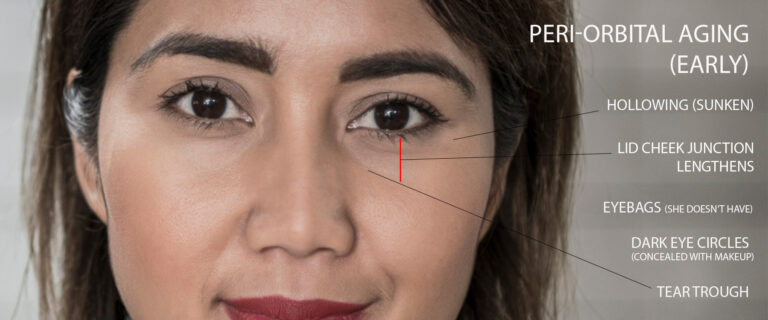
A couple of things happen as we age. The fat compartments under the eyes above the cheeks shrink (atrophy is the scientific term). Thus reducing support for the skin and muscles around the eyes. The bones around the eye sockets also remodel (change shape) which causes even greater loss of support for the overlying soft tissues. This sagging in the under eye area gives rise to the signs of aging. And dermal fillers are a great way to reduce the signs of under eye aging.

peri_orbital_aging
Under-eye area showing signs of aging

5 signs of under-eye-aging:

  1. Hollowness or sunken under-eye area is the direct effect of the fat atrophy.
  2. The lengthening of the lid cheek junction (above red line)  which is due to the lack of support.
  3. The tear-trough deformity, which is a groove under the eyebags. This is also due to the lack of support.
  4. The Eyebags. These may be psuedo-eyebags caused by skin laxity rather than actual eyebags, which are caused by fat pad herniation.
  5. Dark eye circles. Thin skin draping over muscle gives rise to the darker color. Only very rarely are dark eye circles the result of actual pigmentation on the skin.

The Treatment For Under-eye Aging

The treatment however is relatively simple. Dermal fillers when skillfully injected into the fat compartments in the under-eye area provides support and resolves most of the above problem features. The dermal filler is carefully placed using a cannula (a needle with a rounded tip) to minimize trauma. The dermal filler spreads evenly over the areas treated. Lumpiness is rare with the cannula technique of injection. Bruising can sometime occur even with a cannula but are usually quite minimal.

As far as safety is concern, opinion differs. But cannulas a generally accepted as the gentle method in this area while blood vessels are a plenty. Here is a paper by Dr David Loh on safety in filler injections

As for the crepey skin in the under eye area, the dermal fillers can help somewhat, but usually a bit of laser to tighten up the skin, and reduce the fine lines, and that’s all it takes to brighten up the look. The fractional CO2 laser is good, but has a bit of downtime. Otherwise, Sylfirm or Thermage eyes are not too bad too.

Watch Dr Davin Lim from Australia being treated by Dr David Loh while he was in Singapore. Under eye dermal filler injections.

Read More
prs_gold_award_2019

David Loh Surgery Awards and Accolades

September 2019

PRESS RELEASE

A medical case report by David Loh Surgery has been awarded the PRS Global Open 2019 ‘Best Case Report’ (Gold) by international medical journal Plastic & Reconstructive Surgery.

With facial fillers being a widely available aesthetic procedure to temporarily reduce the appearance of wrinkles, or contour faces, there have been some cases where patients have developed features of “impending skin necrosis”: discolouration of the skin due to the premature death of skin cells, in reaction to soft tissue augmentation resulting from the injection. While rare, this complication may occur even under the care of experienced injectors.

David Loh Surgery’s founder Dr David Loh and partner Dr Phoon Yi Shan, who is in charge of the branch clinic at Novena Medical Centre, together with two other doctors jointly authored a case report on such an incident which was successfully managed with prompt diagnosis and treatment.

Entitled Successfully Managing Impending Skin Necrosis following Hyaluronic Acid Filler Injection, using High-Dose Pulsed Hyaluronidase, the paper was first published by PRS Global Open in its February 2018 issue. Using data collected on the article’s view count and sharing activity, among others, David Loh Surgery’s case report was then scored and selected by the journal’s editorial and publishing staff for the award.

“We are very honoured to represent Singapore in contributing to the global body of medical knowledge with our recent case report on successfully managing hyaluronic acid filler-induced impending filler necrosis,” says Dr David Loh, founder and medical director of David Loh Surgery.

“This accolade from PRS Global Open, as an open-access and peer-reviewed international journal, bears testament to our commitment to furthering safety and standards in aesthetic medicine. The culture of knowledge sharing and continuous learning is very much in line with our philosophy at David Loh Surgery,” he adds.

Plastic and Reconstructive Surgery is the official publication of the American Society of Plastic Surgeons. The title launched Plastic and Reconstructive Surgery – Global Open, in April 2013 as a companion journal with an intention to globalise plastic surgery research, collaboration, and best practice sharing through its open access platform.

PRS Global Open holds its annual Best Paper Awards event with the aim of recognising the best new papers by both US and international authors across multiple categories including that of Best Case Report under which Gold, Silver and Bronze Awards are presented.

David Loh

David Loh Surgery’s award-winning case report can viewed in full here:

https://journals.lww.com/prsgo/pages/collectiondetails.aspx?TopicalCollectionId=56

Read More