Everything you need to know about Liposuction in Singapore


How can I prepare myself for liposuction?
Take note of some things that you can do to prepare yourself for the liposuction surgery in the days leading up to it:
- Do not eat or drink anything in the morning of your procedure (after midnight the previous day) to prepare your body for anaesthesia
- Do not shave, especially the areas that will be undergoing treatment, to prevent irritations or ingrown hairs that may cause infections
- Do not apply moisturisers, makeup, sunscreen etc. to your body before you go for surgery because the areas undergoing treatment should be chemical-free.
- Wear loose and comfortable clothing to and from the clinic to minimise irritation after the surgery
- Arrange for somebody to pick you up or be prepared to call a taxi home after the procedure as you should not drive after being under anaesthesia
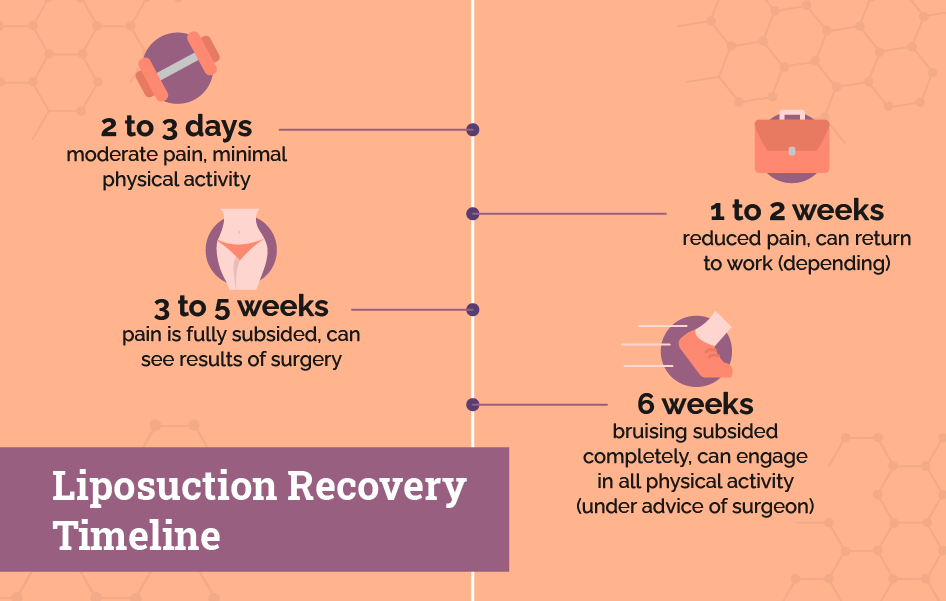
- Stay active and mobile during the recovery period. This will help the swelling dissipate faster.
How do I maintain results after liposuction surgery in the long-run?
Liposuction can do wonders for your body, making you feel good and confident about yourself. However, your body will continue to gain and lose fats based on your exercise, diet and lifestyle – just like it ordinarily would before liposuction. To maintain the results of your newly-shaped body, you have to keep with a healthy diet and lifestyle in the long-term. Feeling good about yourself does not just depend on how your body looks, but how you feel inside too – and staying healthy is one great way to do that!
1. Eat healthy
To first recover well from liposuction surgery, eat foods that are low in sodium and salt, and high in vitamins, antioxidants and other nutrients. Some best foods to take during post-surgery recovery are celery, grapefruits, watermelon and strawberries. Altering your diet, especially in the few months after surgery will boost your body’s immune system and help you to recover better and faster. You should also increase your protein intake to help with muscle and skin recovery.
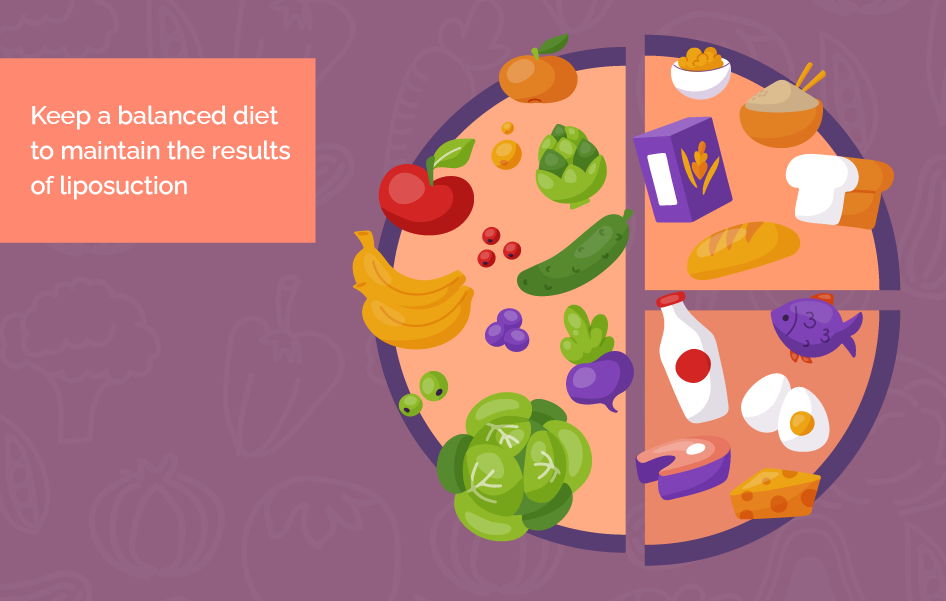
Even after you have fully recovered from the liposuction procedure, continue to keep a healthy and balanced diet daily! In Singapore, a healthy diet should include half a plate of fruits and vegetables, a quarter of whole grains such as brown rice or wholemeal bread, and a quarter of meat, seafood, eggs, and low-fat dairy products. Eat more smaller portioned meals rather than a few big meals.
Munching healthy, delicious foods will make a huge difference to your body’s health and help you to maintain the results of liposuction.
2. Exercise Regularly
Adults in Singapore are recommended to engage in moderate-intensity physical activity at least 150 minutes every week. Some simple exercises that you can do in your home are marching in a stationary position, sitting down and standing up from a chair, doing leg raises to the side and back and doing arm stretches.
Of course, you can adjust the intensity and difficulty of your exercise according to how well you can cope with it. After the surgery, you should limit your physical activity until about week 3 to 5, and under the advice of your surgeon. Once you are given the go-ahead, incorporate exercise into your daily routine!
3. Drink plenty of water
Drinking plenty of water is important to prevent dehydration after your liposuction surgery. Adults in Singapore should drink at least 8 glasses of water a day, but in the post-surgery recovery stage, you should increase this water intake to about 10 to 12 glasses of water a day. When you have fully recovered, continue to properly hydrate yourself. Water helps to boost metabolism, aid digestion and even maintain your energy level throughout the day.
With reasonable expectations about liposuction results in the long-run, you can be happier and healthier after a procedure!